Restore firmness, support and definition for a more toned, harmonious silhouette.
Your best version, always.
Natural results
Safe procedure
Personalised approach
Confidentiality
The treatmentWHAT IS IT
What is body sagging treatment?
More firmness, more definition.
Body laxity is often associated with the loss of skin elasticity and collagen, and can appear with aging, after weight changes, pregnancy or other factors. A personalized approach allows us to work on skin quality and firmness, adapting the treatment to each area's characteristics.
Key information about the procedure, recovery and results, so you can make an informed decision with peace of mind.
Procedure duration
2 h
Type of anaesthesia
Injectable
No sun exposure
Varies
Possible bruising
Yes
Results appear
From 20 days. Final result at 3 months
WHO IS IT FOR
Is it for you?
This treatment may be suitable for people who want to:
Improve skin firmness
Restore elasticity
Reduce the appearance of sagging skin
Improve body definition
Stimulate collagen production
Improve skin quality and texture
The procedure
How is body sagging treatment done?
A plan tailored to your body.
1
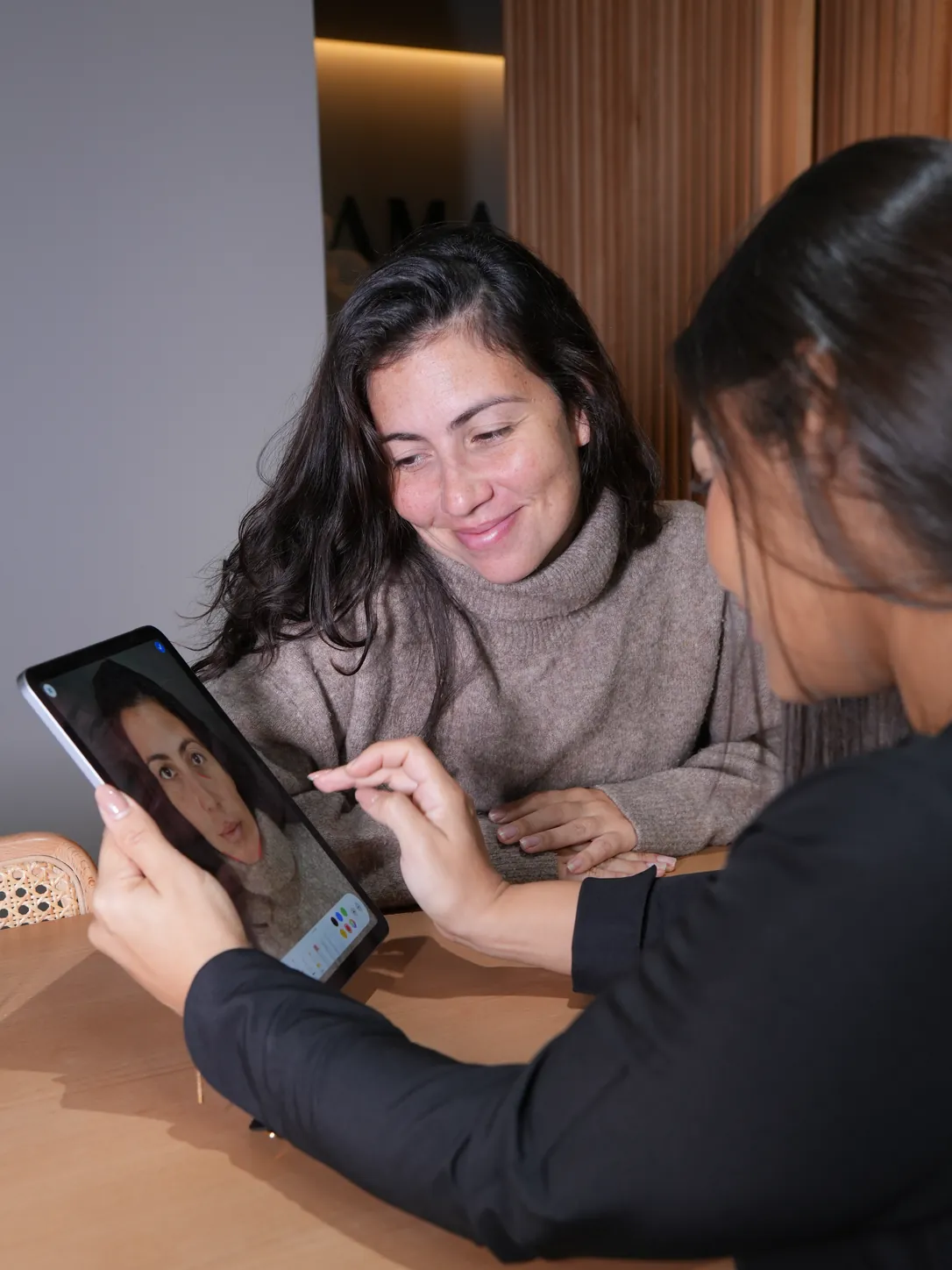
Body assessment
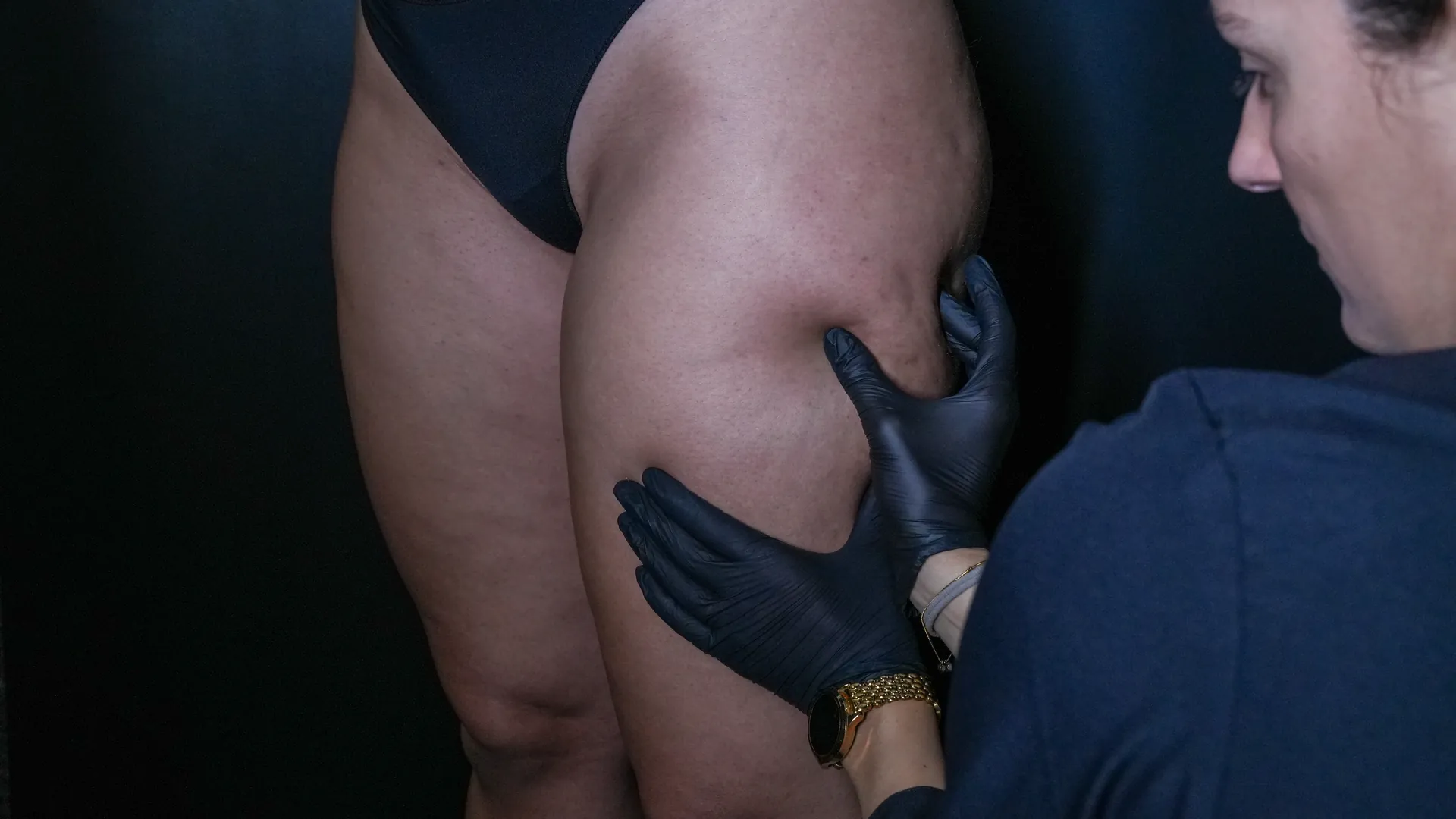
We analyse skin quality, the degree of laxity and the areas to treat.
2
Protocol planning
We define the most suitable techniques and technologies, which may combine technology with biostimulators.
3
The treatment
A safe procedure, following what was defined during the assessment.
4
Results assessment
We follow the progress of skin firmness and quality throughout the protocol.
5
Aftercare and maintenance
We advise on aftercare and define strategies to maintain the results.
TECHNIQUES & TREATMENTS
Technology and aesthetic medicine to restore firmness.
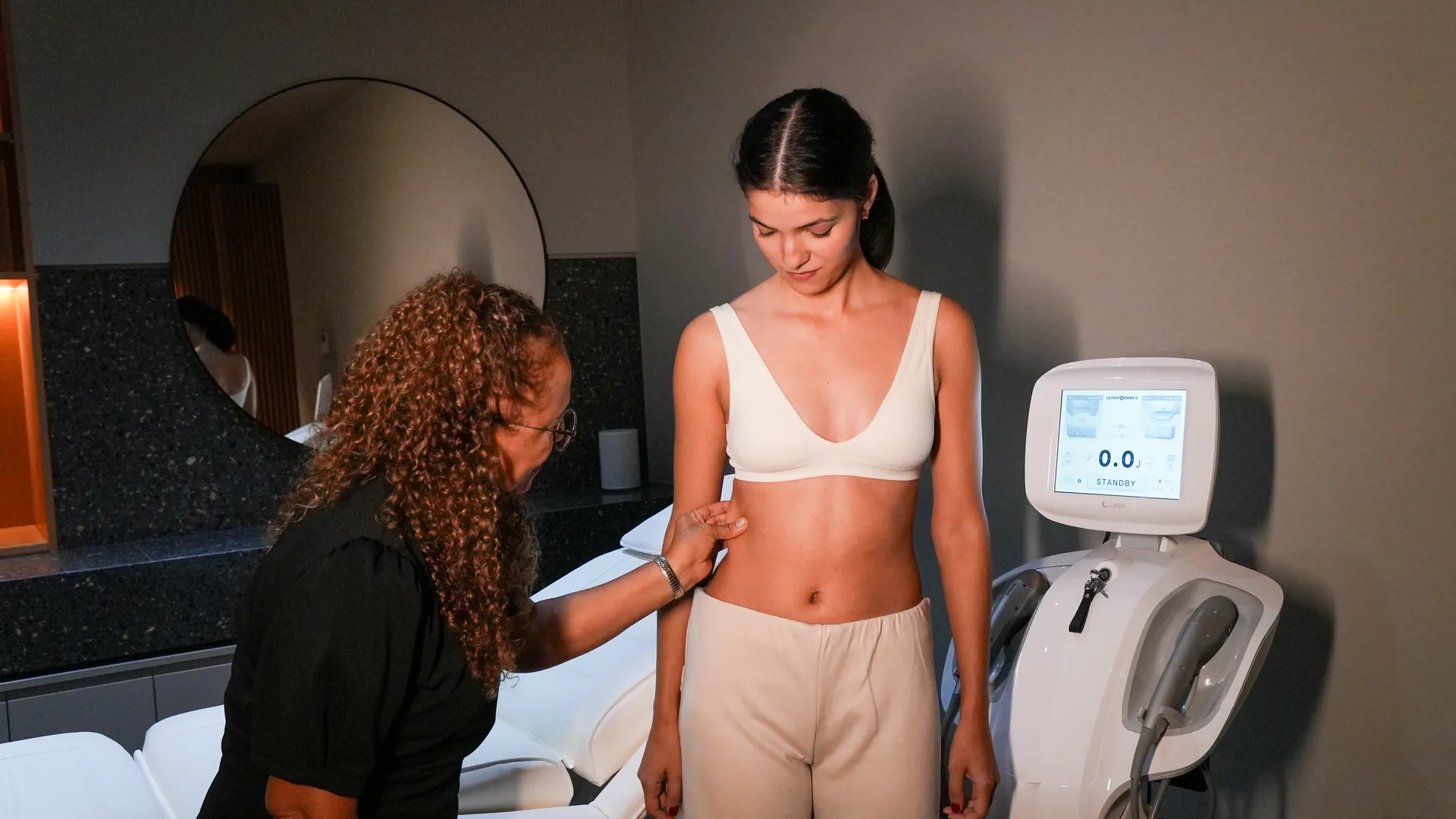
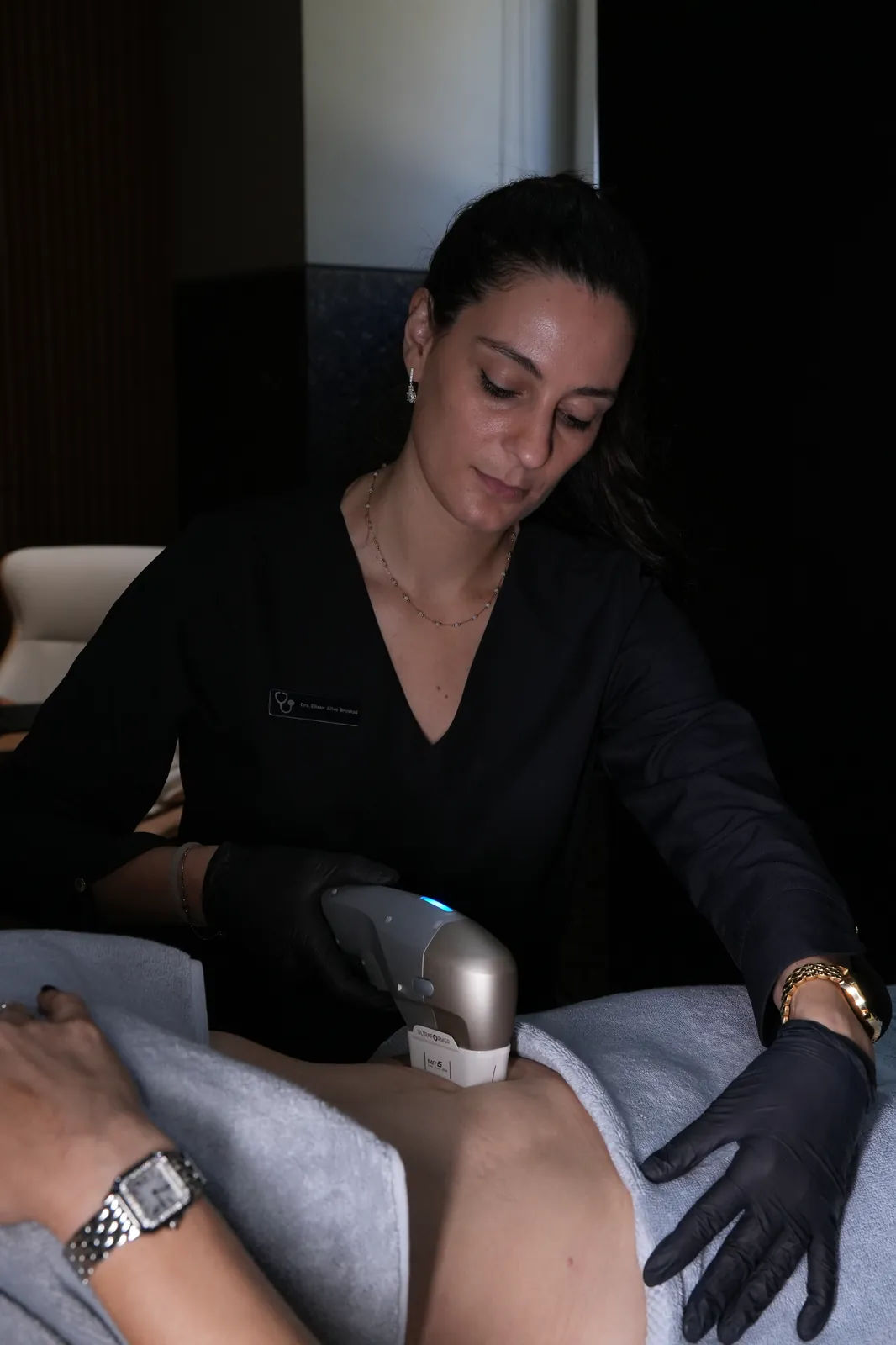
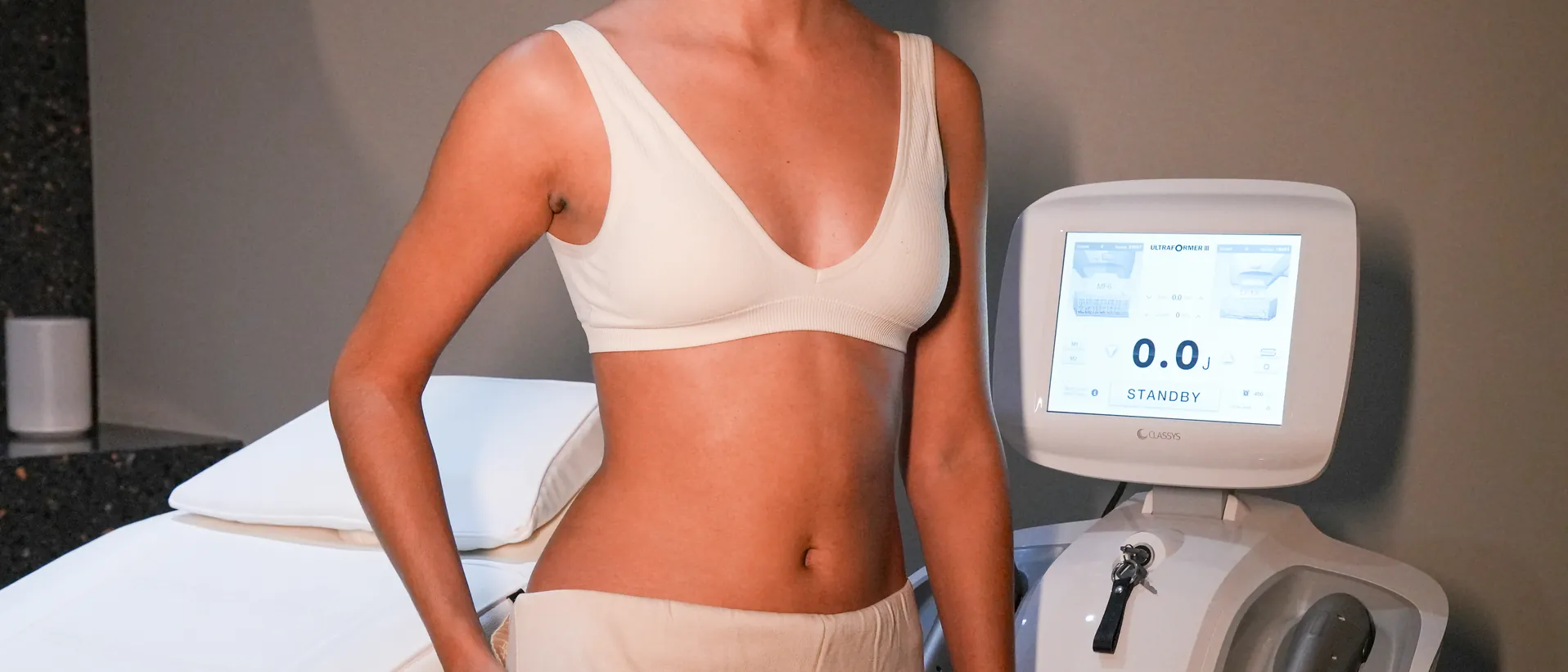
Ultraformer
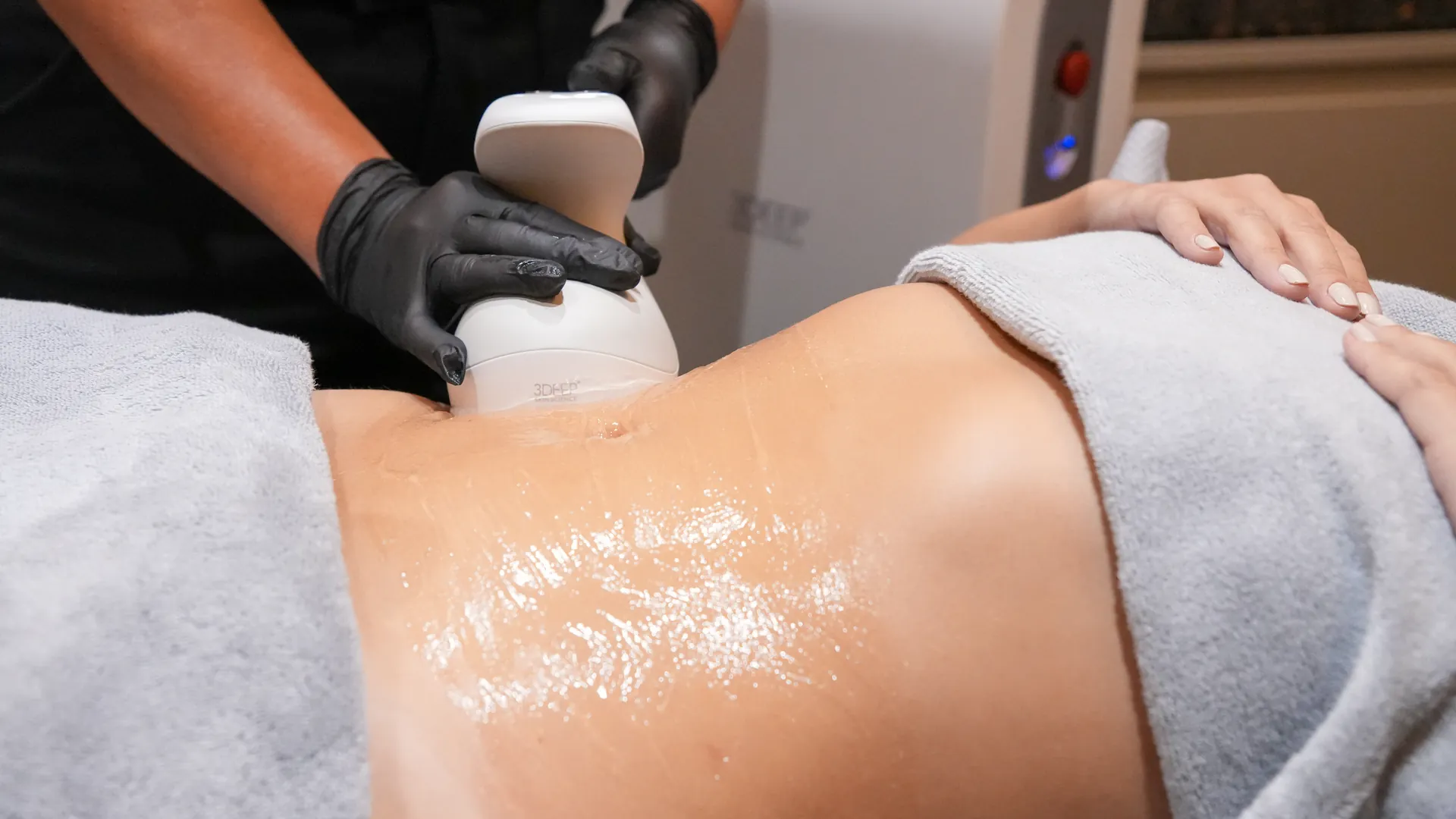
Uses micro- and macro-focused ultrasound to act at different depths and stimulate collagen production.
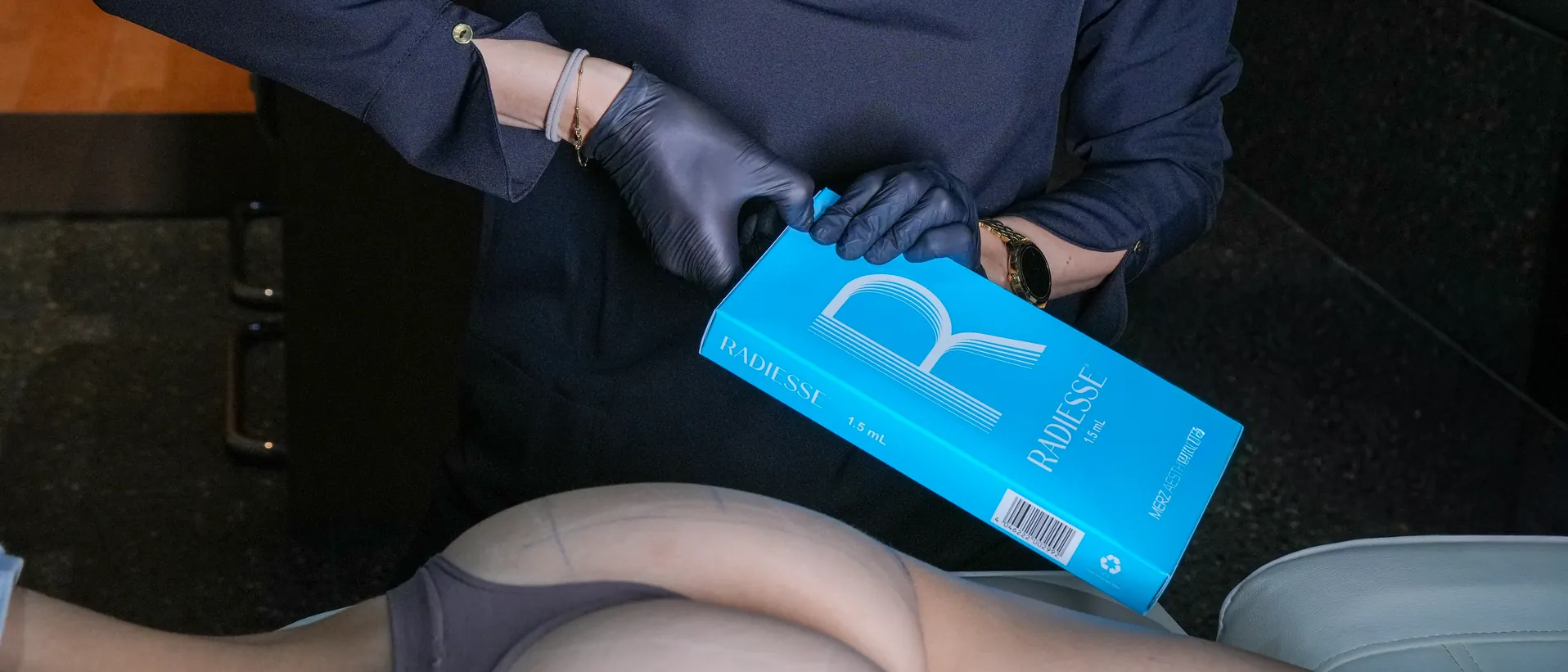
Biostimulators
Stimulate natural collagen production, helping to improve skin firmness and quality.
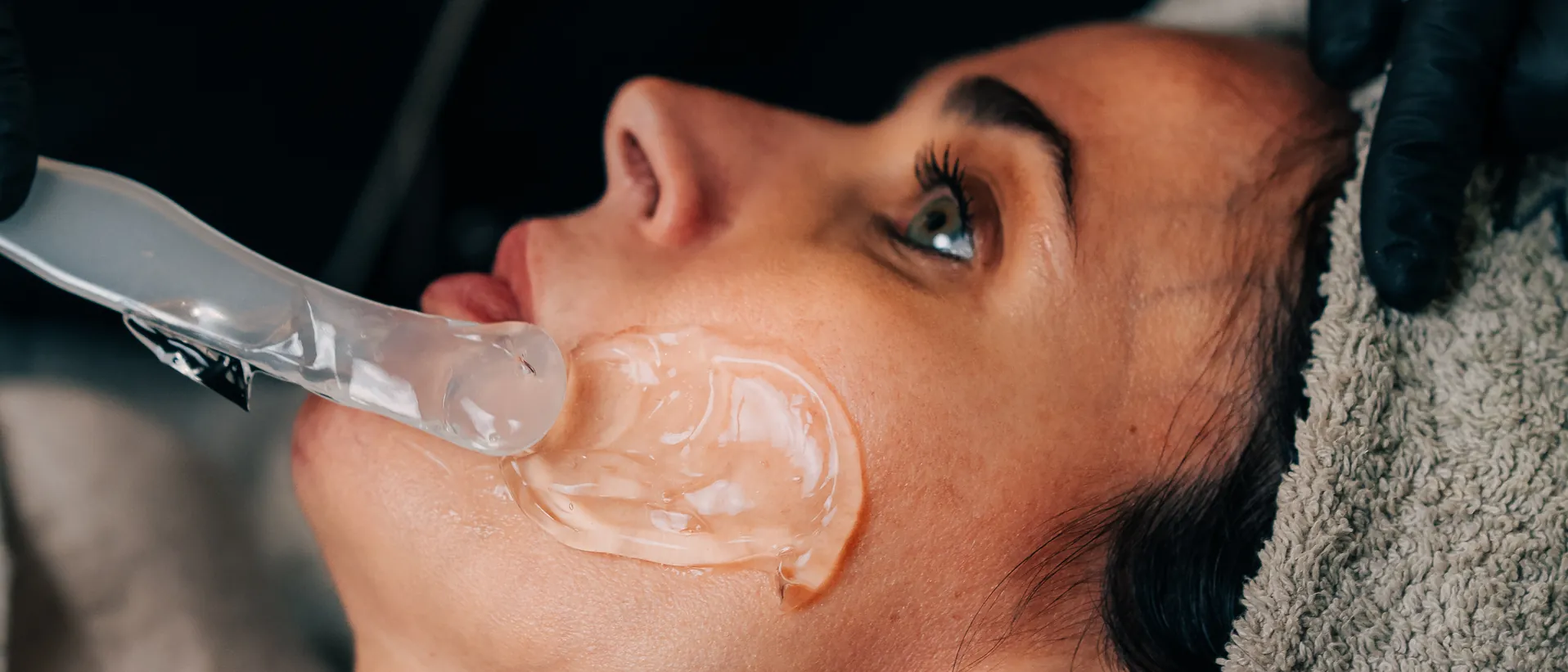
Radiofrequency
Thermal energy stimulates processes that can contribute to firmer, more even skin.
BENEFITS
Benefits of body sagging treatment
Firmness you can see.
Firmer skin
Greater elasticity
More defined contours
Improved skin texture
Collagen stimulation
More toned appearance
PRICE
How much does body sagging treatment cost in Lisbon?
A treatment designed for your body.
The investment varies according to the area treated, the degree of laxity and the recommended technique or combination of treatments.
Body sagging: technical information
Causes, types of laxity, non-surgical treatments, contraindications and risks. What you should know to regain firmness with realistic expectations.
What is body sagging?
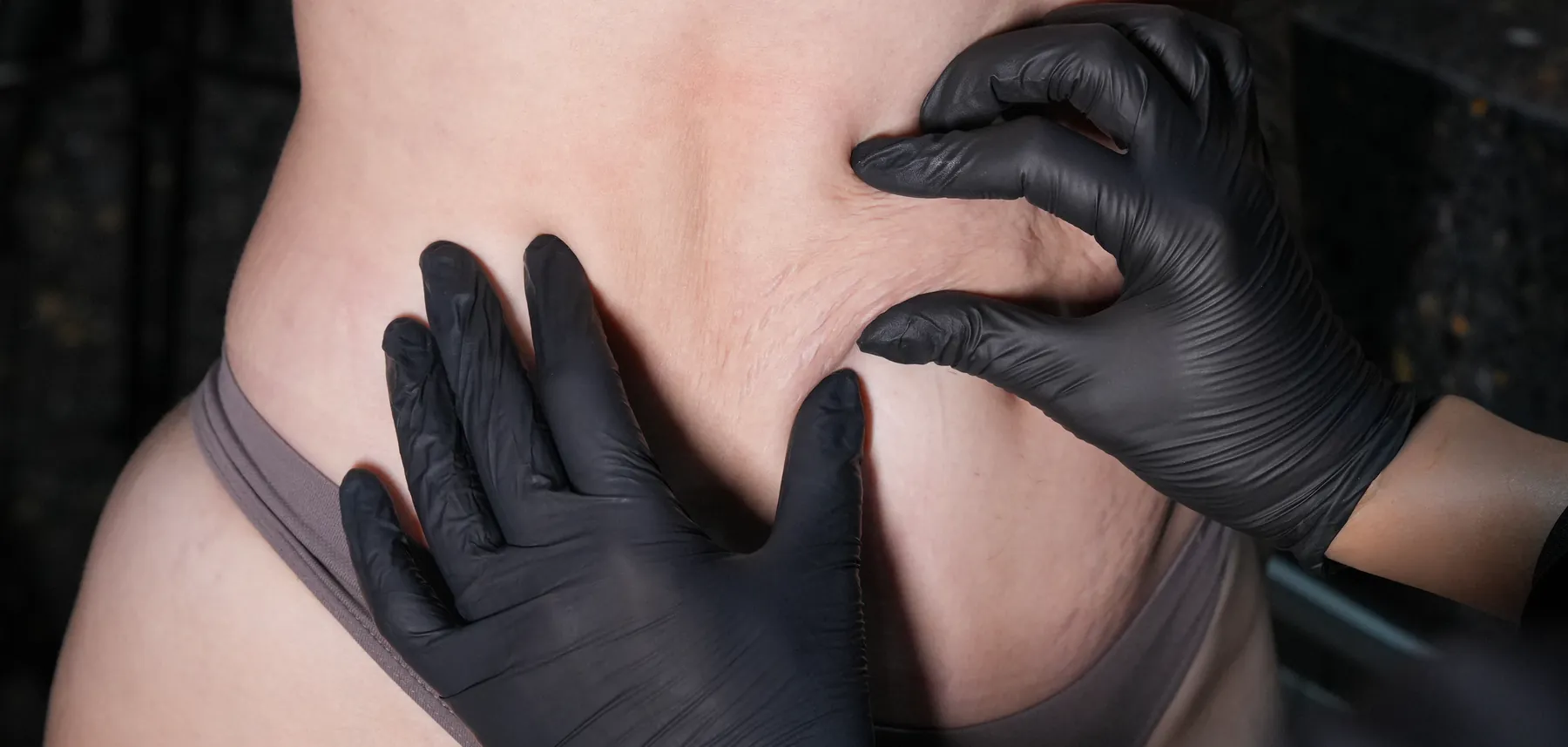
It is the loss of firmness of the skin or muscles in an area of the body. There are two types, which often coexist: skin laxity, when the skin loses collagen and elasticity and becomes thinner and droopy, and muscle laxity, when a lack of tone leaves the area less firm. Identifying the type is the first step in choosing the treatment.
Most common causes
Aging and the natural decline of collagen and elastin
Rapid or significant weight loss
Pregnancy
Hormonal changes, especially at menopause
A sedentary lifestyle and loss of muscle mass
Sun exposure, smoking and a diet low in protein
Genetic predisposition
Non-surgical treatments
Micro-focused ultrasound (Ultraformer): works in depth and stimulates collagen production
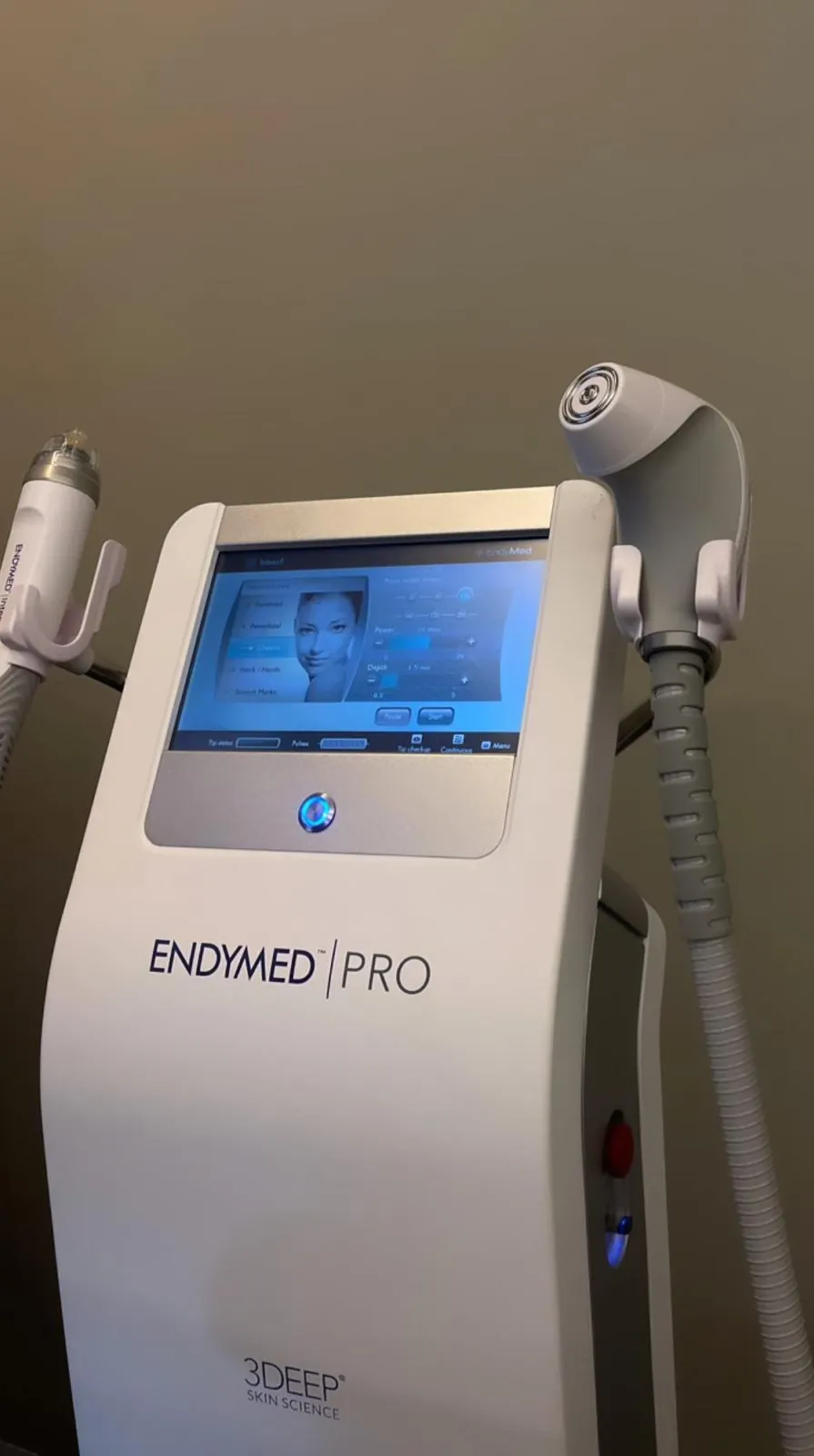
Radiofrequency (Endymed): heat stimulates collagen and improves skin firmness and texture, for example on the abdomen
Collagen biostimulators (calcium hydroxylapatite or poly-L-lactic acid): injected under anaesthesia, they gradually stimulate your own collagen
Muscle stimulation: can complement the plan when a lack of tone contributes to laxity
Combination: technology and biostimulators are often combined, according to the assessment
How it is done
The assessment looks at skin quality, the degree of laxity and the areas to treat, such as the abdomen, arms, inner thighs, knees or buttocks. The plan sets the techniques and the number of sessions. Anaesthesia is applied for injectable techniques, and a session can take up to 2 hours. Results appear from around 20 days, with the final result at about 3 months.
Can sagging skin go back to normal?
The skin can regain some firmness, especially when laxity is mild to moderate, but it generally does not return exactly to how it was. After major weight loss or several pregnancies, the excess skin may be too much for non-surgical treatment; in these cases, the assessment may point to surgery, such as an abdominoplasty.
Contraindications
Pregnancy and breastfeeding
Active infection, wounds or inflammation in the area
Metal implants or electronic devices, such as a pacemaker, for the technologies
Known allergy to a component of the biostimulators
Autoimmune conditions, clotting disorders or medications, reviewed at the consultation
Side effects and possible complications
The most common effects are mild and temporary: redness, swelling, tenderness and small bruises. The technologies can, rarely, cause small burns.
Biostimulators can sometimes form palpable nodules, which the injection technique and the recommended massage help prevent. As with any injectable, there are rare risks such as infection or compromised blood flow. Severe pain, warmth or increasing swelling must be reported to the clinic.
How to firm up the body and regain elasticity
Treatments work best alongside good habits: strength training to tone the muscles, enough protein in your diet, a stable weight, good hydration, sunscreen on exposed areas and not smoking. For sagging legs, working the thigh and gluteal muscles is an important complement.
How to prepare and recover
Preparation
Tell the team about any medicines, health conditions, recent surgery, and if you are pregnant or breastfeeding.
Avoid alcohol in the 24 hours before treatment, to reduce the risk of bruising.
On the day, come with clean skin, without creams or oils on the area to be treated.
Wear comfortable, loose clothing to make the treatment and the journey home easier.
Recovery
Tenderness, redness or small bruises may appear, and usually fade within a few days.
How long to avoid the sun and exercise depends on the technique, and the team will tell you.
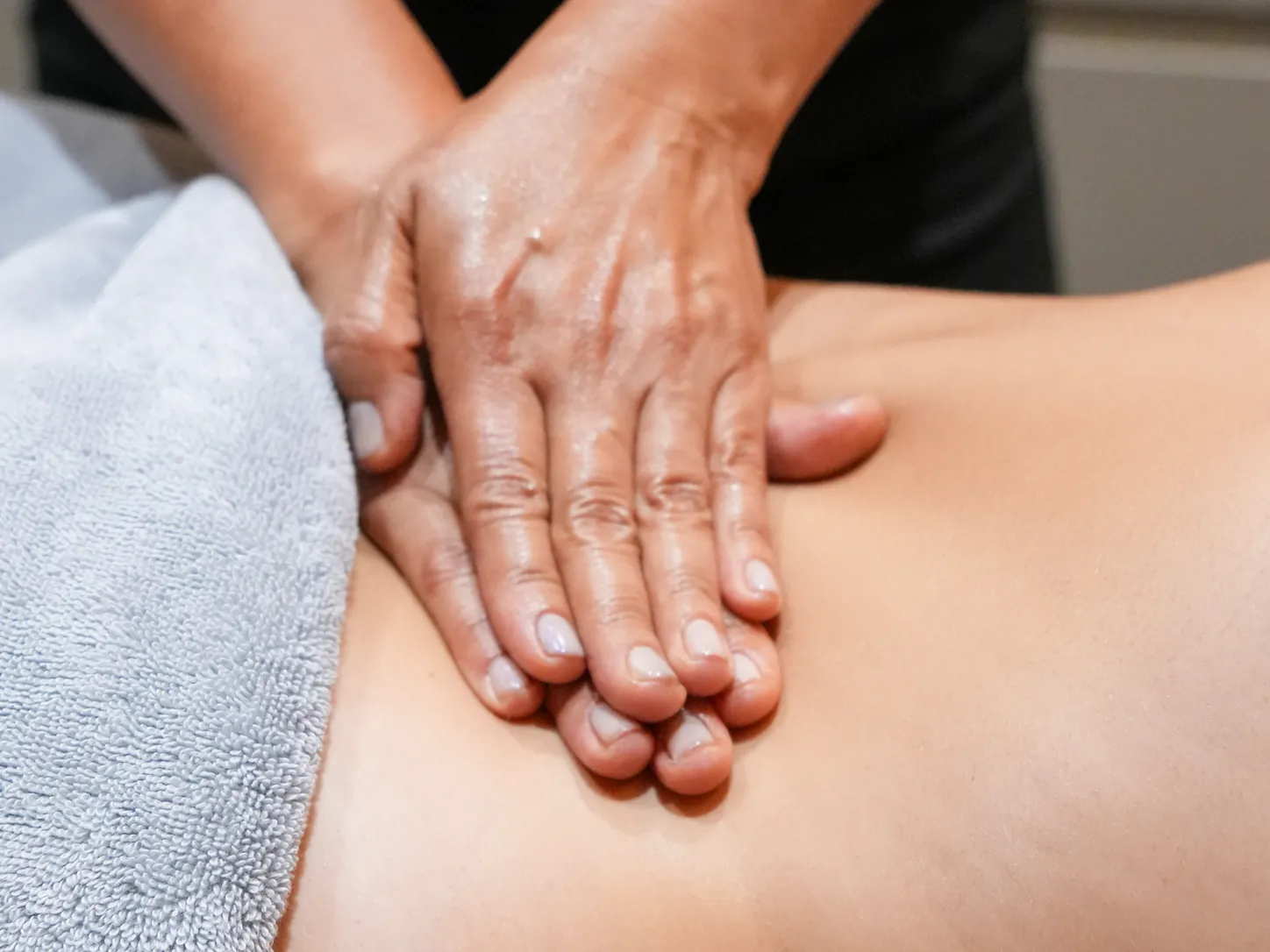
Follow any massage or home-care instructions given by the team.
Stay well hydrated and eat a balanced diet to support your treatment plan.
Contact the clinic if you have severe pain, heat or swelling that gets worse in the treated area.
FAQ
Get your questions answered.
Aging, weight loss, pregnancy and changes in skin elasticity can all contribute to the appearance of laxity.
The choice depends on the area, the degree of laxity and skin quality. The assessment helps define the most suitable approach.
Some techniques may provide initial changes, but results tend to develop progressively.
It depends on the treatment chosen and individual characteristics. The number of sessions is defined after the assessment.
Results don't stop the natural aging process. Maintenance and skin care can help preserve results over time.
The sensation depends on the technique and varies from person to person. Technologies are usually well tolerated and, for injectable techniques, anaesthesia may be used for comfort. You may feel some tenderness in the following days.
In general, yes. Many people go back to work and their routine the same day or the next day. Tenderness or small bruises may appear. How long to avoid exercise and the sun depends on the technique, and the team will tell you.
Creams help keep the skin hydrated and comfortable, but they do not work on firmness in depth. Treatments that stimulate collagen, combined with exercise and good nutrition, tend to have more effect.
The most commonly treated areas are the abdomen, arms, inner thighs, knees and buttocks. The plan is set according to the degree of laxity in each area.
On the legs, laxity usually combines a loss of muscle tone and of skin firmness, especially on the inner thighs and knees. Strength training helps tone the muscles; for the skin, micro-focused ultrasound, radiofrequency and biostimulators can improve firmness. The assessment sets the right combination.
Radiofrequency can improve the firmness and texture of abdominal skin in mild to moderate laxity, usually over several sessions. With marked excess skin, for example after major weight loss, the effect is limited and surgery may be more suitable.
The cost of body sagging treatment depends on the plan defined at the assessment consultation: techniques, areas and each person's needs. After the assessment, you receive a personalised quote.
Restore your skin's firmness.
Book your assessment and discover the most suitable approach to improve your body's firmness and definition.