Stimulate lymphatic circulation, reduce the feeling of swelling and restore a greater sense of lightness and wellbeing.
Your best version, always.
Natural results
Safe procedure
Personalised approach
Confidentiality
The treatmentWHAT IS IT
What is lymphatic drainage?
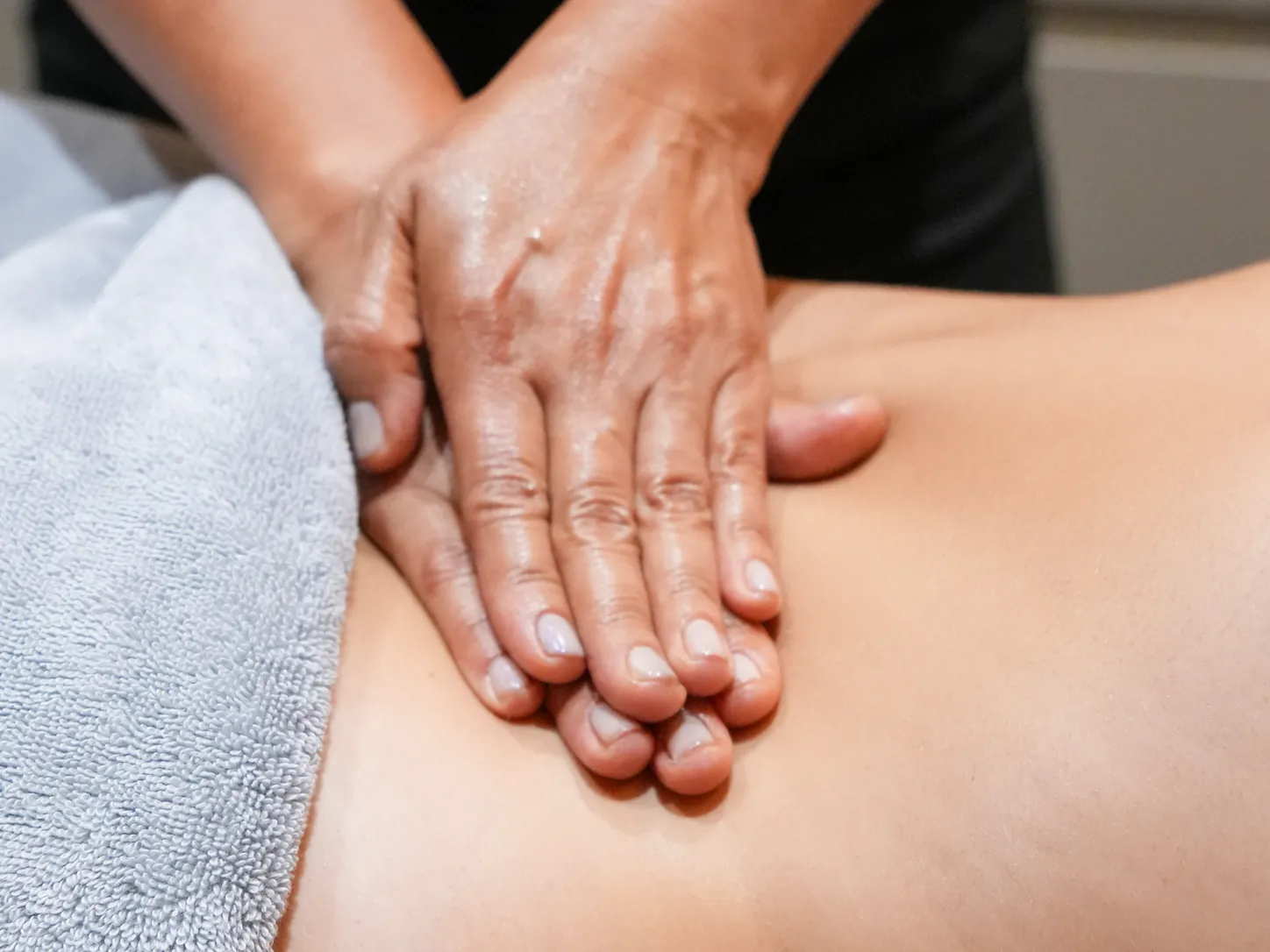
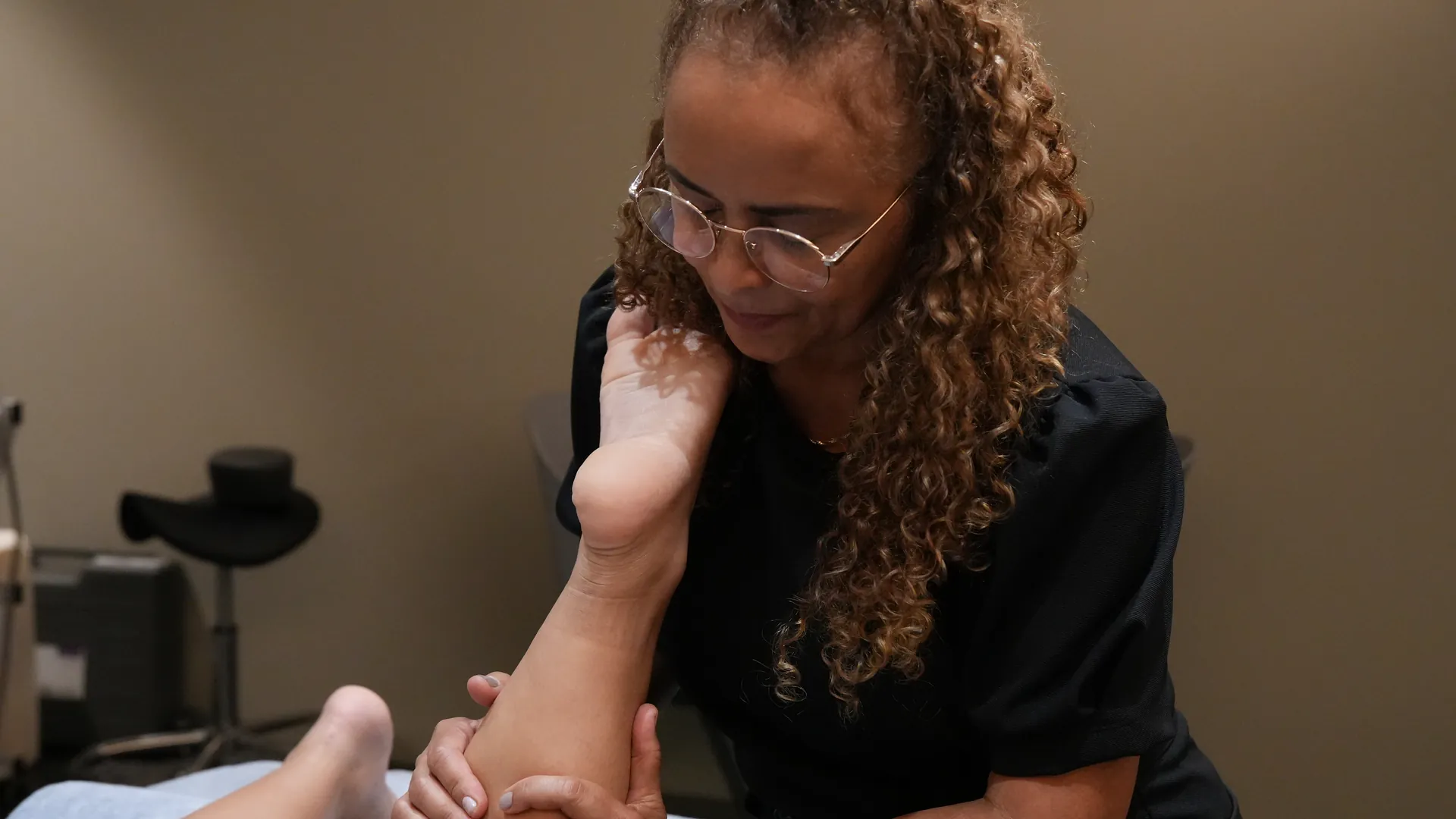
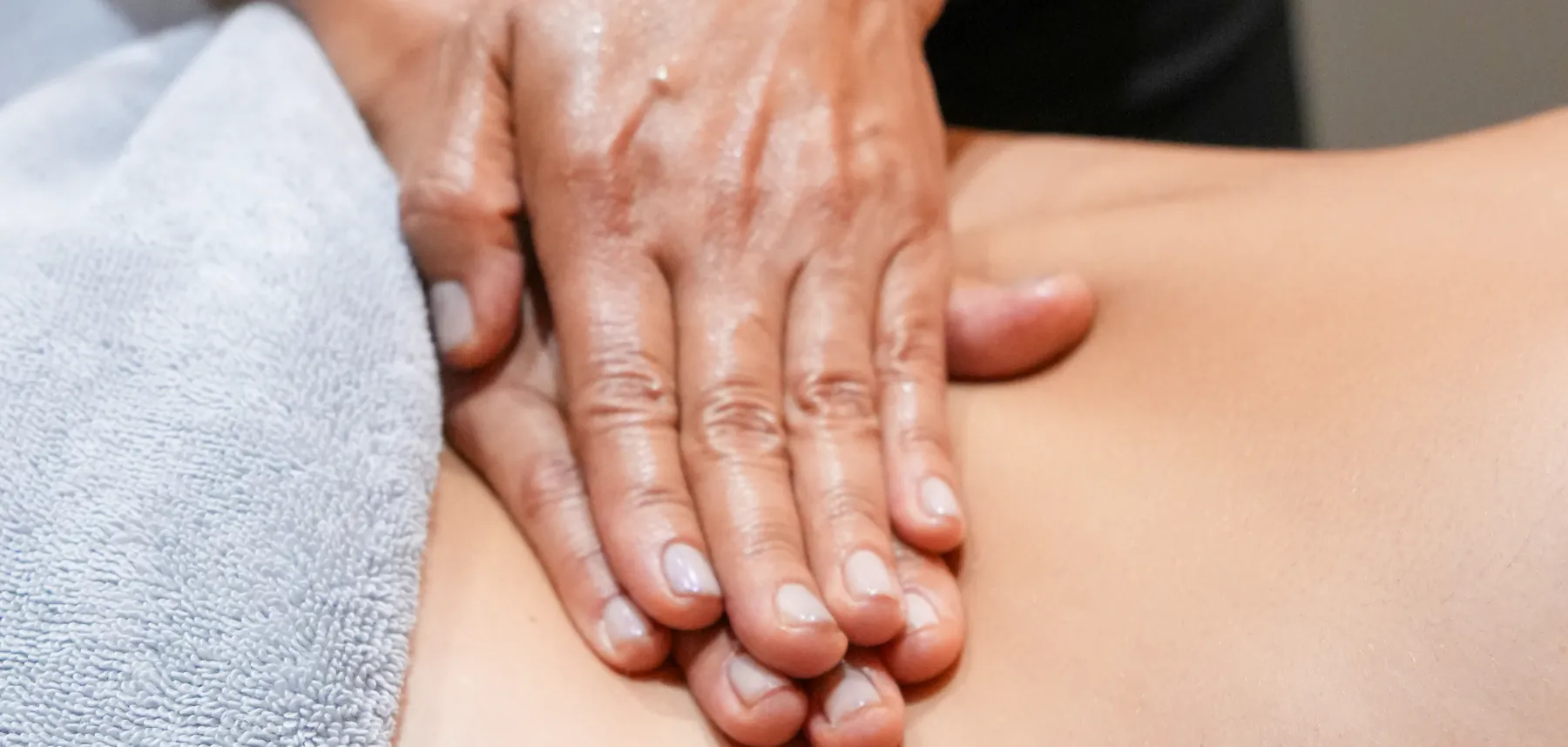
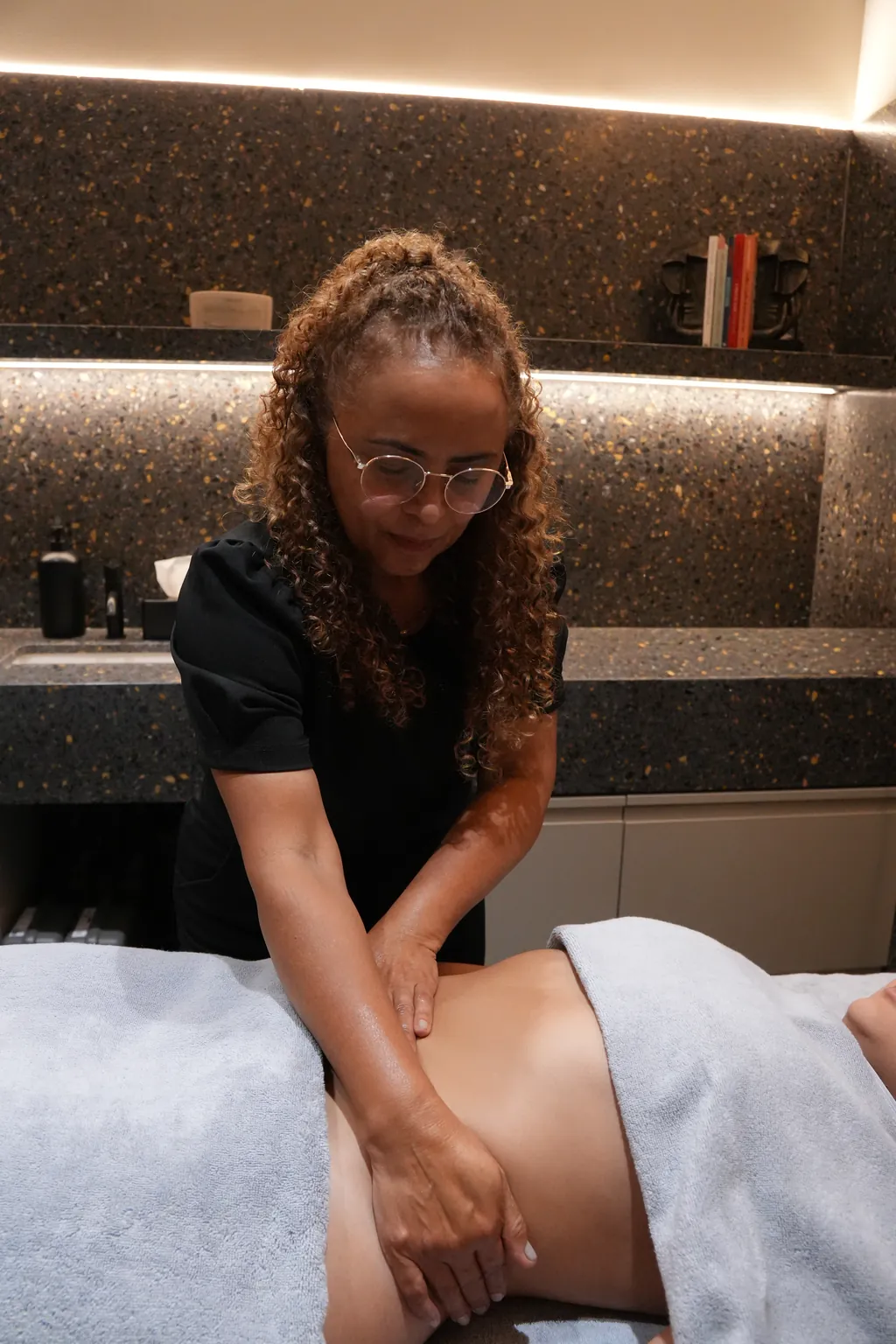
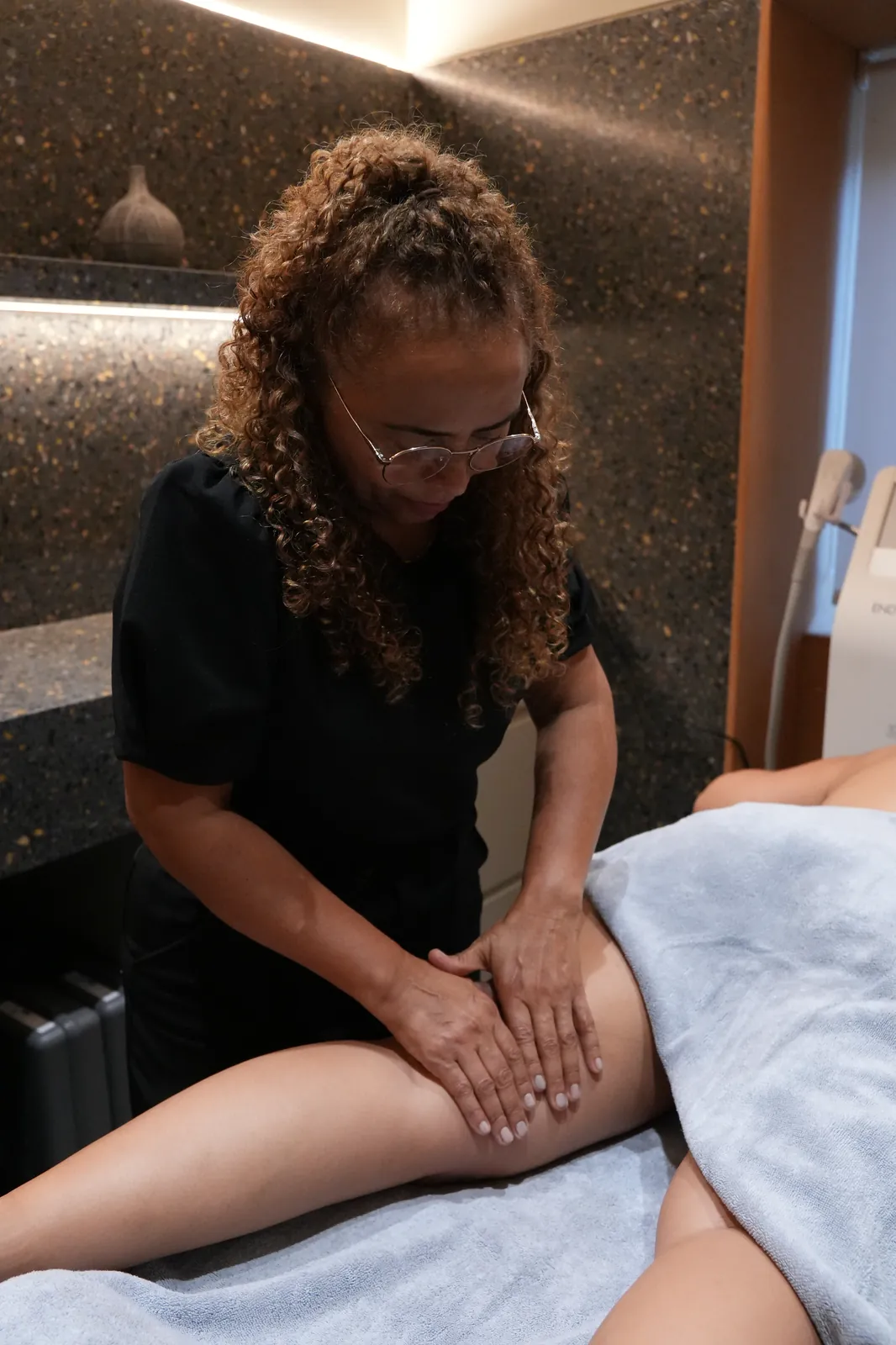
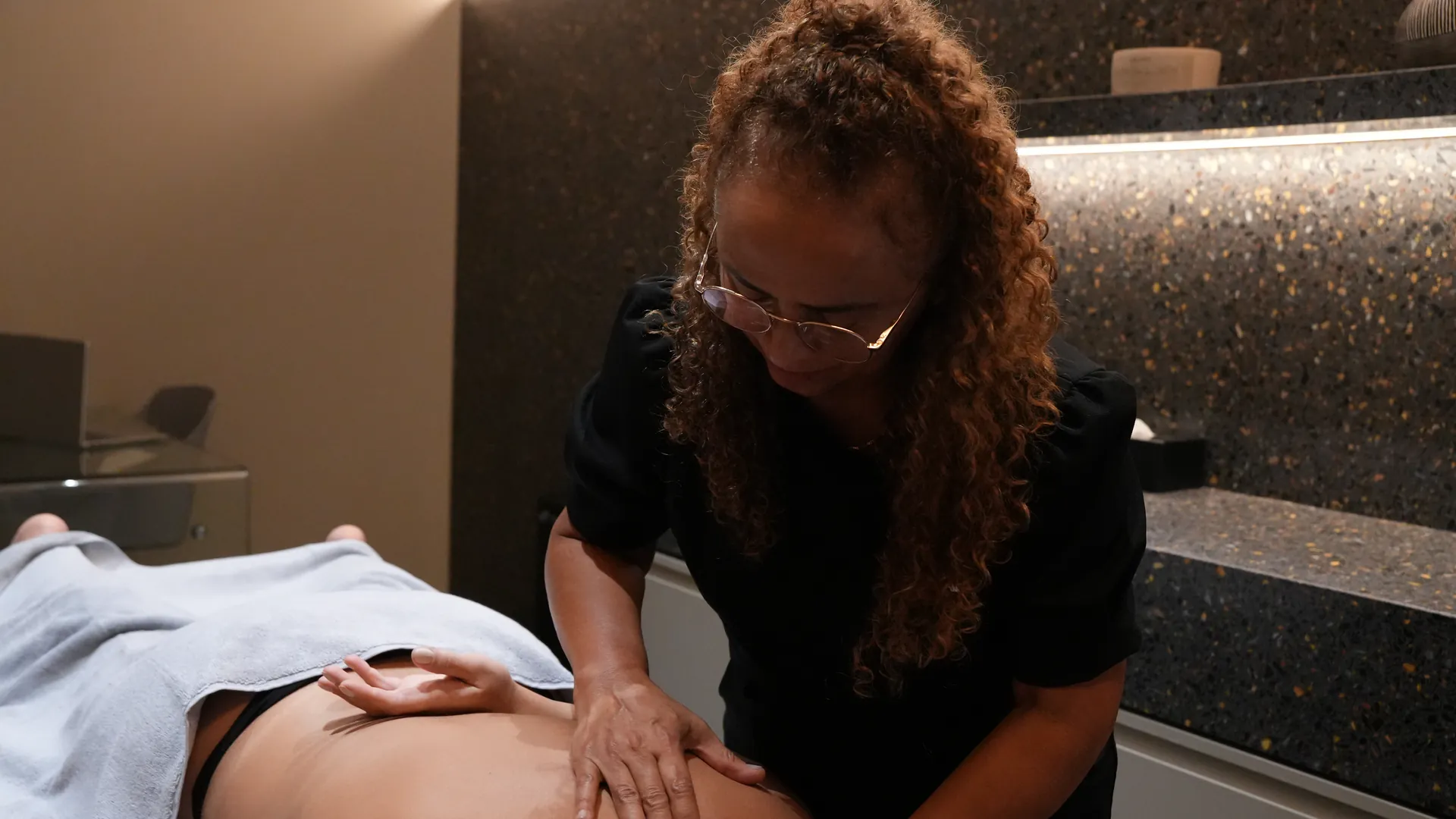
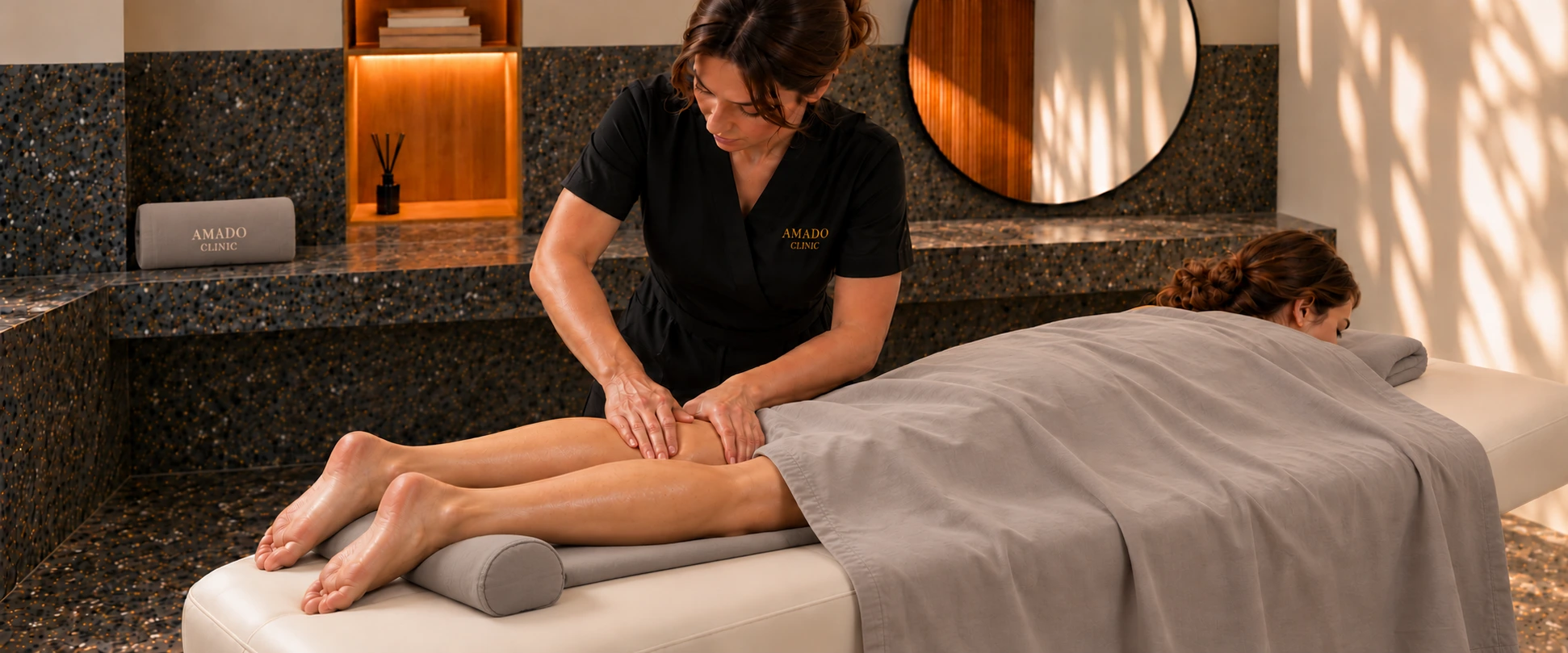
Lymphatic Drainage is a manual massage technique performed with gentle, slow, targeted movements that support lymph flow and fluid circulation in the tissues. It's especially sought after to relieve the feeling of heavy legs, fluid retention and swelling, and can also be part of post-surgery recovery protocols.
Lymphatic Drainage involves a sequence of specific manual movements, performed progressively and adapted to the area being treated. Pressure is generally light and the treatment is personalized according to the goal, tissue condition and, when applicable, the post-surgery recovery stage.
Key information about the procedure, recovery and results, so you can make an informed decision with peace of mind.
Procedure duration
1 h
Results appear
Wellbeing
WHO IS IT FOR
Is it for you?
Lymphatic Drainage may be suitable for people looking to:
The indication should be adapted to each person's health condition and needs.
Reduce the feeling of swelling
Relieve heavy legs
Support lymphatic circulation
Promote a greater sense of lightness
Improve body comfort
Support certain post-surgery recovery processes
Incorporate care during pregnancy, when properly indicated
The procedure
How is lymphatic drainage done?
A gentle, personalized protocol.
1
Booking your session
2
Personalised session
We adapt the technique to your needs on the day and to the areas with the most swelling or discomfort.
BENEFITS
Benefits of lymphatic drainage
Lightness you can feel.
A feeling of greater lightness
Reduced feeling of swelling
Support for lymphatic circulation
Relief for heavy legs
Greater body comfort
Relaxation
Support for certain post-surgery protocols
Lymphatic drainage: technical information
How it works, when it is recommended, myths and facts, contraindications and frequency. What you need to know, without promises.
How does lymphatic drainage work?
The lymphatic system collects excess fluid and waste from the tissues and returns them to the circulation. Unlike blood, lymph has no pump of its own: it relies on the body's movement.
Manual lymphatic drainage uses slow, gentle, rhythmic movements that follow the path of the lymphatic vessels towards the lymph nodes. The aim is to stimulate this flow to reduce fluid build-up and the feeling of heaviness.
When is it recommended?
Fluid retention and heavy or tired legs
Recovery after plastic surgery, to help reduce swelling
Pregnancy, from the point approved by the doctor, and the postpartum period
Swelling linked to long hours standing, sitting or travelling
As a complement in the care of lipoedema or lymphoedema, always with medical guidance
Myths and facts about lymphatic drainage
"It makes you lose weight." Myth: it reduces built-up fluid, not fat. The difference you feel is mainly swelling
"It has to be firm to work." Myth: the technique is gentle; too much pressure does not improve lymph flow
"It gets rid of cellulite." Myth: it can improve how the skin looks by reducing swelling, but it does not treat the causes of cellulite
"It is only for after surgery." Myth: it is also useful for everyday fluid retention and during pregnancy
"Results depend on regularity." Fact: effects are more visible with regular sessions and habits such as hydration and movement
Contraindications
Lymphatic drainage should not be done, or only with medical approval, in case of:
Active or suspected venous thrombosis
Uncontrolled heart or kidney failure
Acute infection, fever or active inflammation in the area
Cancer under treatment, without approval from your doctor
Marked low blood pressure or uncontrolled thyroid problems
How many sessions and how often?
It depends on the goal. For fluid retention, a course of a few sessions once or twice a week, followed by maintenance, is most common. After surgery, sessions are usually more frequent in the first weeks and then spaced out, following the surgeon's instructions.
What is normal to feel after a session?
It is common to feel lighter legs, a sense of relaxation and the need to urinate more often in the following hours. Drinking water, walking and avoiding very salty meals help the effect last.
Lymphatic drainage or sculpting massage?
Lymphatic drainage: gentle, slow and rhythmic, works on fluid and swelling
Sculpting massage: more intense, works on the tissue and the contour
Both can be combined in one plan, depending on the goal
How to prepare and recover
Preparation
Drink water throughout the day and avoid a heavy meal just before the session.
Wear comfortable clothes and avoid applying creams or oils to your body on the day.
Tell the team if you are pregnant, have had recent surgery or have any health condition.
Let us know if you have fever, an infection, open wounds or a history of thrombosis.
Recovery
Drink water in the hours after the session to support the feeling of lightness.
Take a gentle walk and avoid staying still for long right afterwards.
Avoid very salty meals and alcoholic drinks on the day of the session.
You can return to your normal activities straight after the session.
Contact the clinic if you notice pain, redness or unusual swelling in a leg or arm.
FAQ
Get your questions answered.
No. The technique is performed with gentle, slow, rhythmic movements, different from a deep or sports massage.
It's not a weight-loss treatment. It can temporarily reduce swelling and fluid retention, but doesn't eliminate body fat.
It depends on the goal. For wellbeing and maintenance, it can be done occasionally; in specific situations, several sessions may be recommended.
It may be indicated after certain surgeries, but the timing and technique must respect the recovery stage and the surgeon's guidance.
It may be possible, provided it's suited to the stage of pregnancy and performed by a qualified professional. The indication should be individualized.
Under normal conditions, it's a gentle technique and shouldn't cause significant pain. Any abnormal pain or sensitivity should be reported to the professional.
Yes. Lymphatic Drainage needs no recovery time and you can return to work and daily activities straight after the session. Many people simply feel lighter and more relaxed.
Yes. In situations such as active thrombosis, acute infections, fever, open wounds or some heart, kidney or cancer conditions, drainage may not be suitable without a medical assessment. Always tell the team about your health.
It is a gentle, rhythmic massage that stimulates lymph circulation. It can help reduce swelling and fluid retention, ease the feeling of heavy legs and support recovery after surgery.
It depends on the goal: during recovery, sessions can be more frequent; for maintenance, once or twice a week is common. The team will tell you the right frequency.
In general, yes. Some people prefer to avoid the abdomen on those days because it is more sensitive. Let the team know so the session can be adapted to your comfort.
Drinking water throughout the day, walking, raising your legs in the evening, cutting down on salt and avoiding staying in the same position for hours all help circulation. These habits complement your drainage sessions.
The price depends on the plan defined for your goal, whether a single session or a series of sessions. The team explains the options and you receive a personalised quote.
Lightness you can feel in your body.
Discover a Lymphatic Drainage approach adapted to your needs, your pace and your goals.