Improve skin texture and appearance for a more even, firm and harmonious silhouette.
Your best version, always.
Natural results
Safe procedure
Personalised approach
Confidentiality
The treatmentWHAT IS IT
What is cellulite treatment?
Smoother, more even skin.
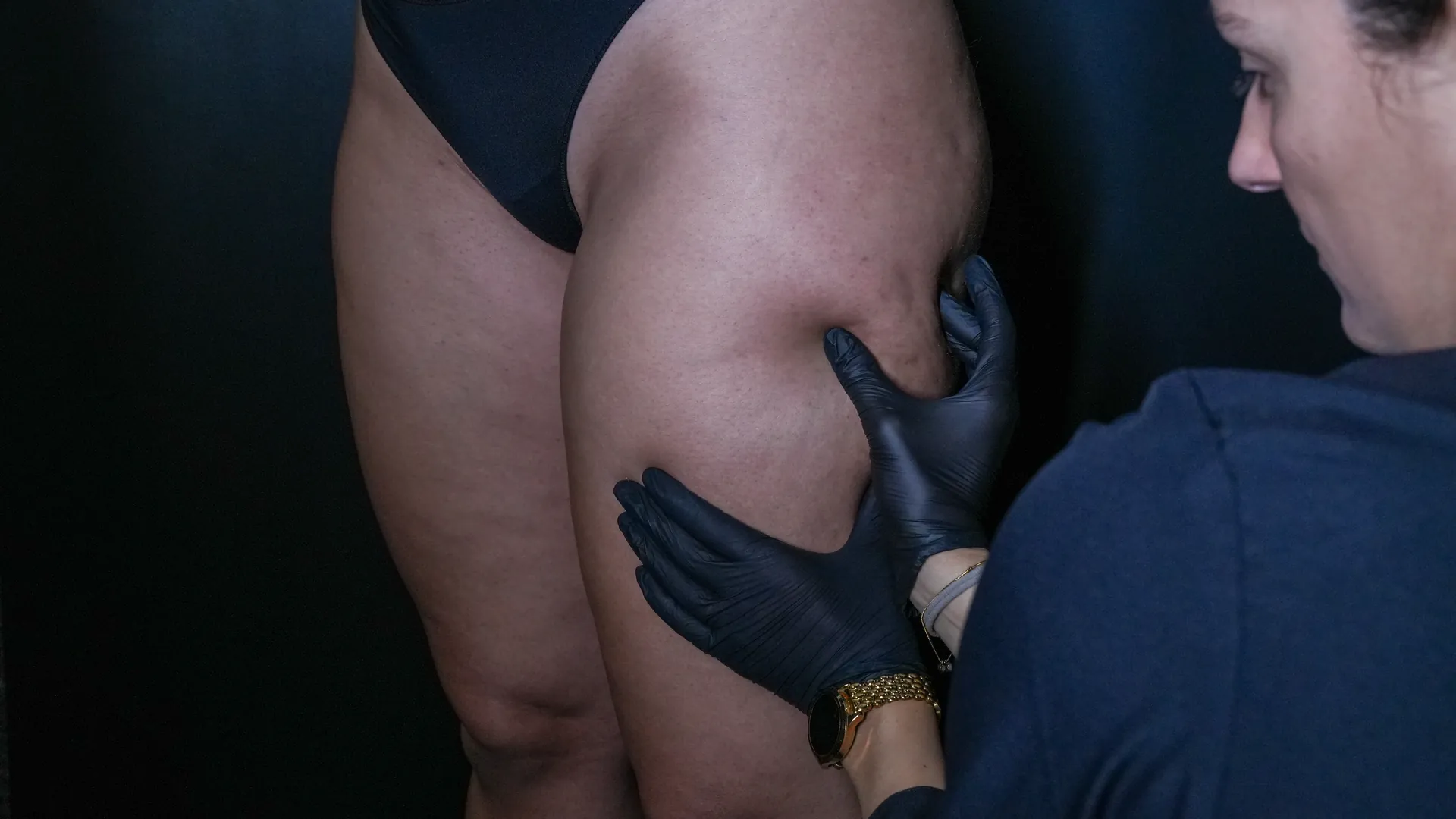
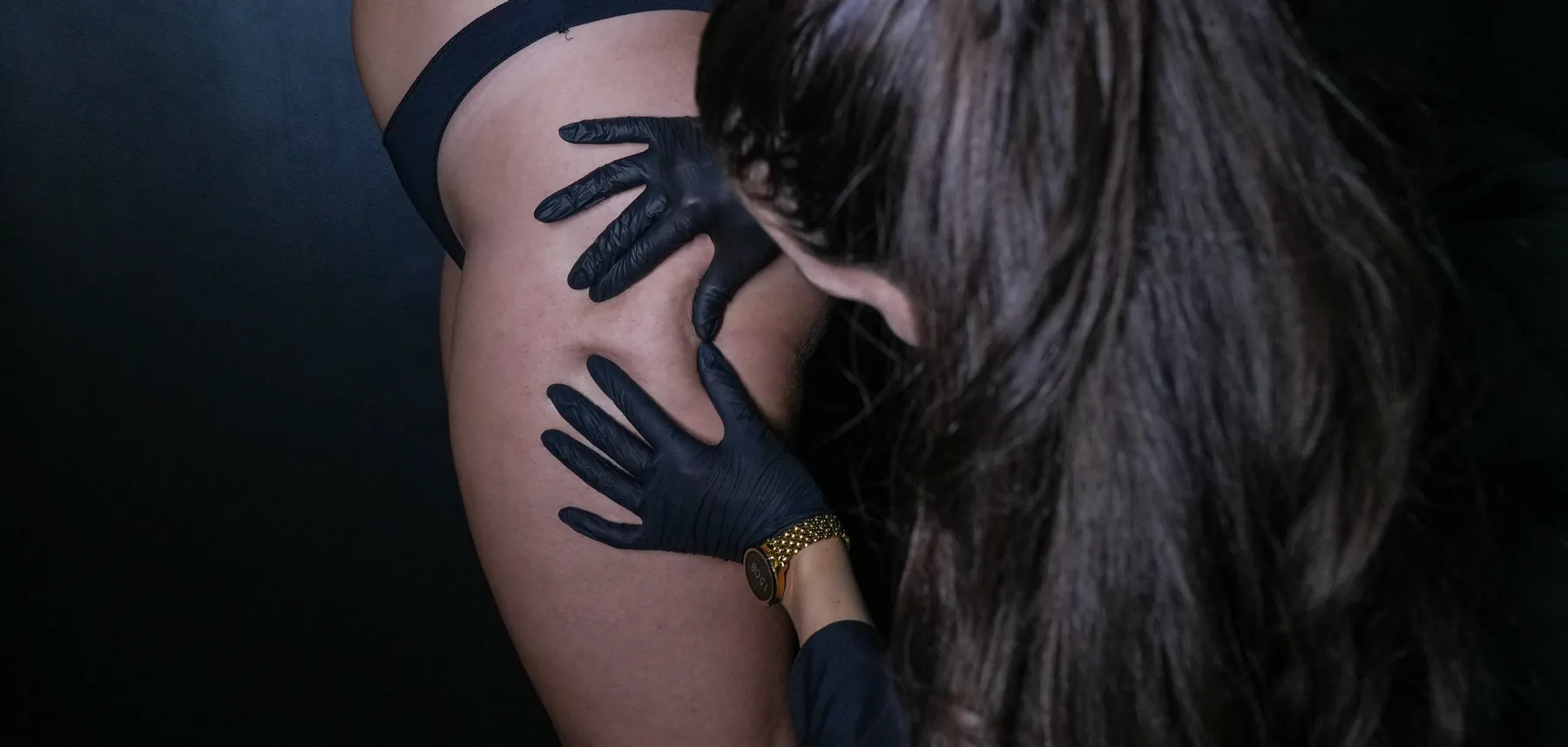
Cellulite is a change in tissue structure that causes an irregular or dimpled skin appearance, most common in areas like the thighs, buttocks and hips. Treatment is personalized according to the type and degree of cellulite, skin characteristics and each person's goals.
Key information about the procedure, recovery and results, so you can make an informed decision with peace of mind.
Procedure duration
2 h
Type of anaesthesia
Injectable
No sun exposure
Varies
Possible bruising
Yes
Results appear
From 30 days.
WHO IS IT FOR
Is it for you?
This treatment may be suitable for people who want to:
Improve skin texture
Reduce the appearance of dimpled skin
Improve tissue firmness
Soften skin surface irregularities
Improve the appearance of areas like thighs, buttocks and hips
Achieve visually smoother skin
The procedure
How is cellulite treatment done?
A protocol tailored to your body.
1
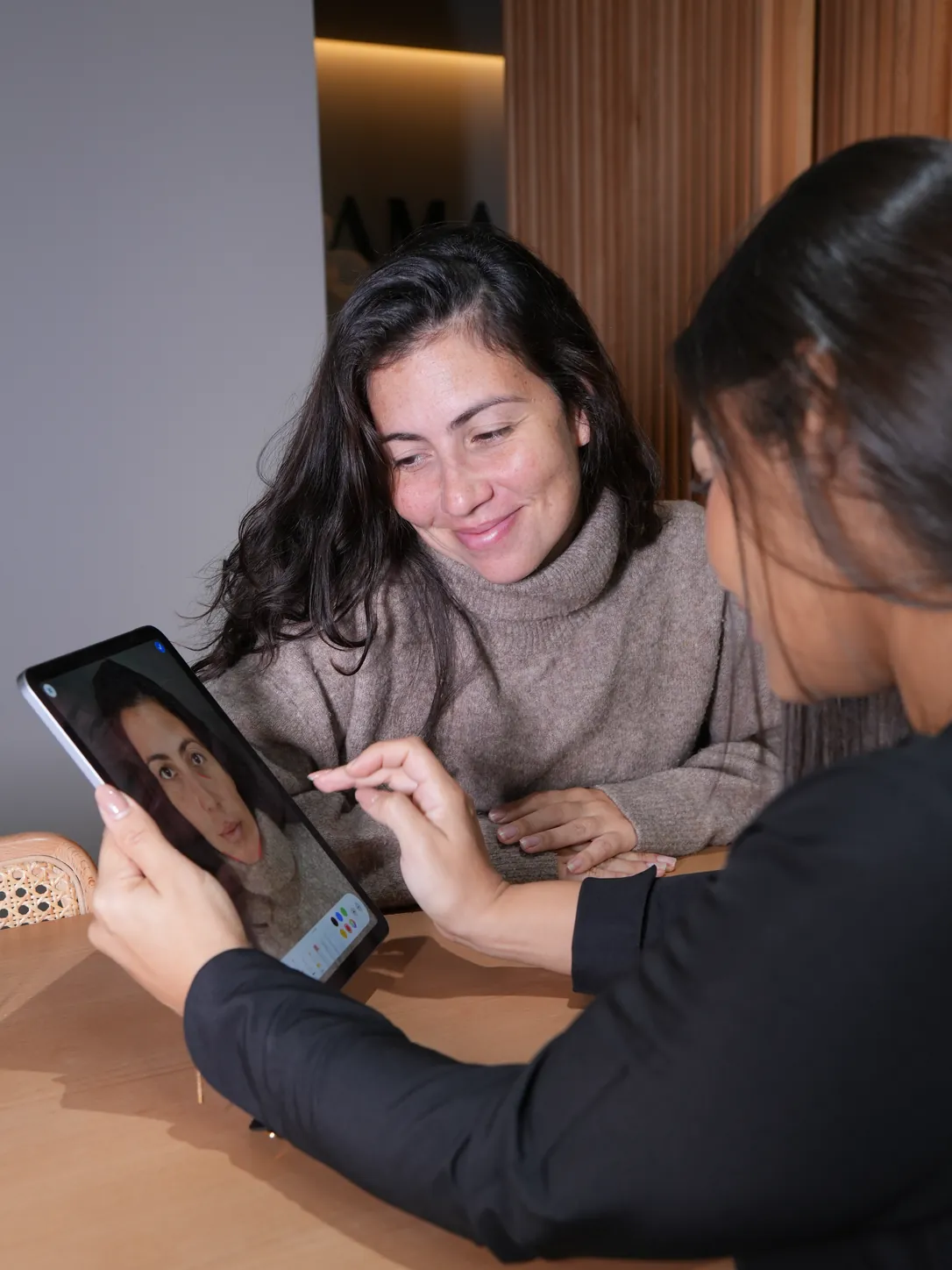
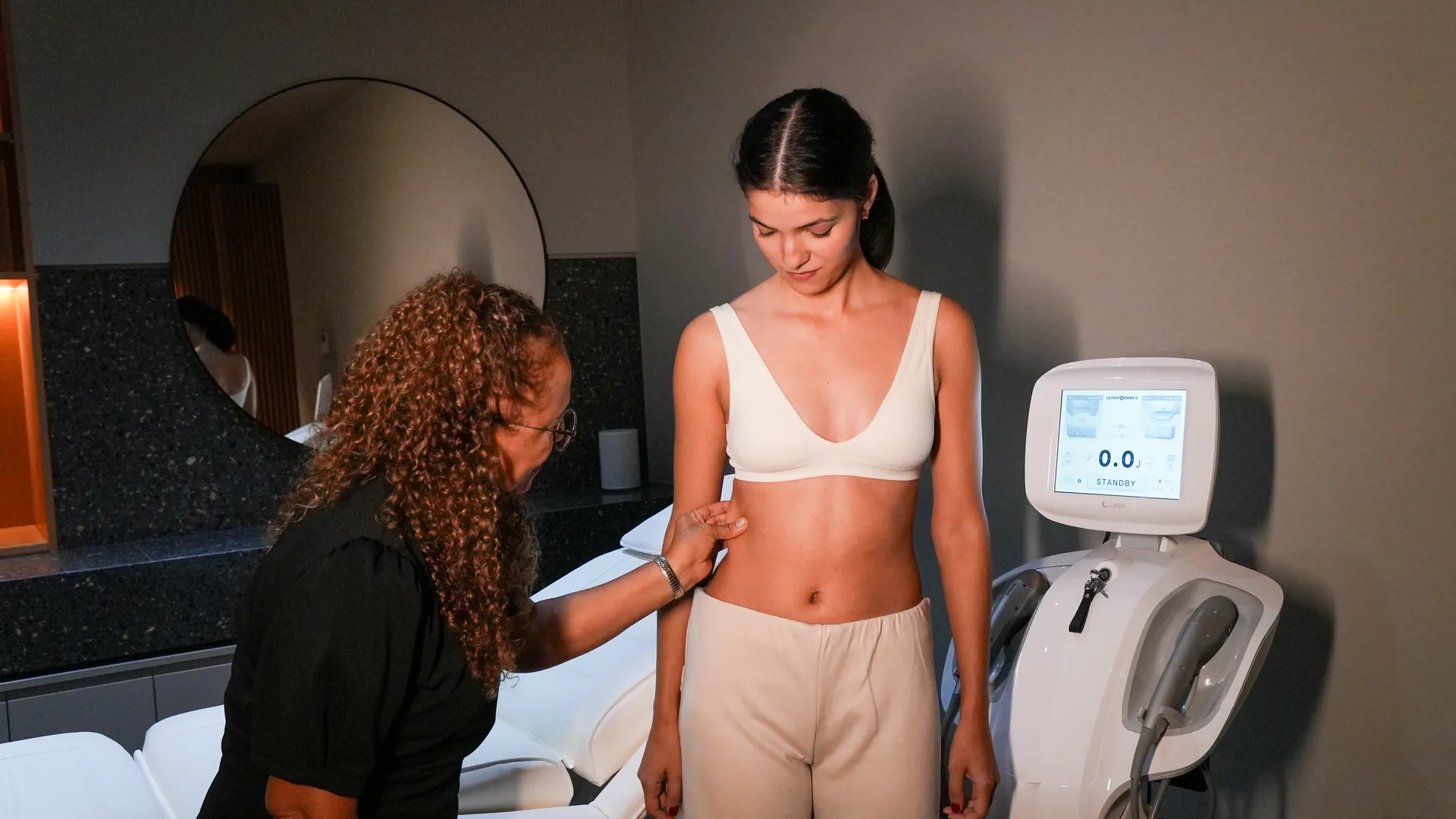
Body assessment
We analyse the type and degree of cellulite.
2
Protocol planning
A 3-month treatment plan combining technology, injectables and nutritional support. We define the best protocol based on the type and degree of cellulite and skin quality, to reduce cellulite and improve skin firmness.
3
The treatment
A safe procedure, following what was defined during the assessment.
4
Results assessment
We follow how the skin and the treated areas evolve.
5
Aftercare and maintenance
We advise on complementary care and on continuing the treatment.
TECHNIQUES & TREATMENTS
Different approaches, one common goal.
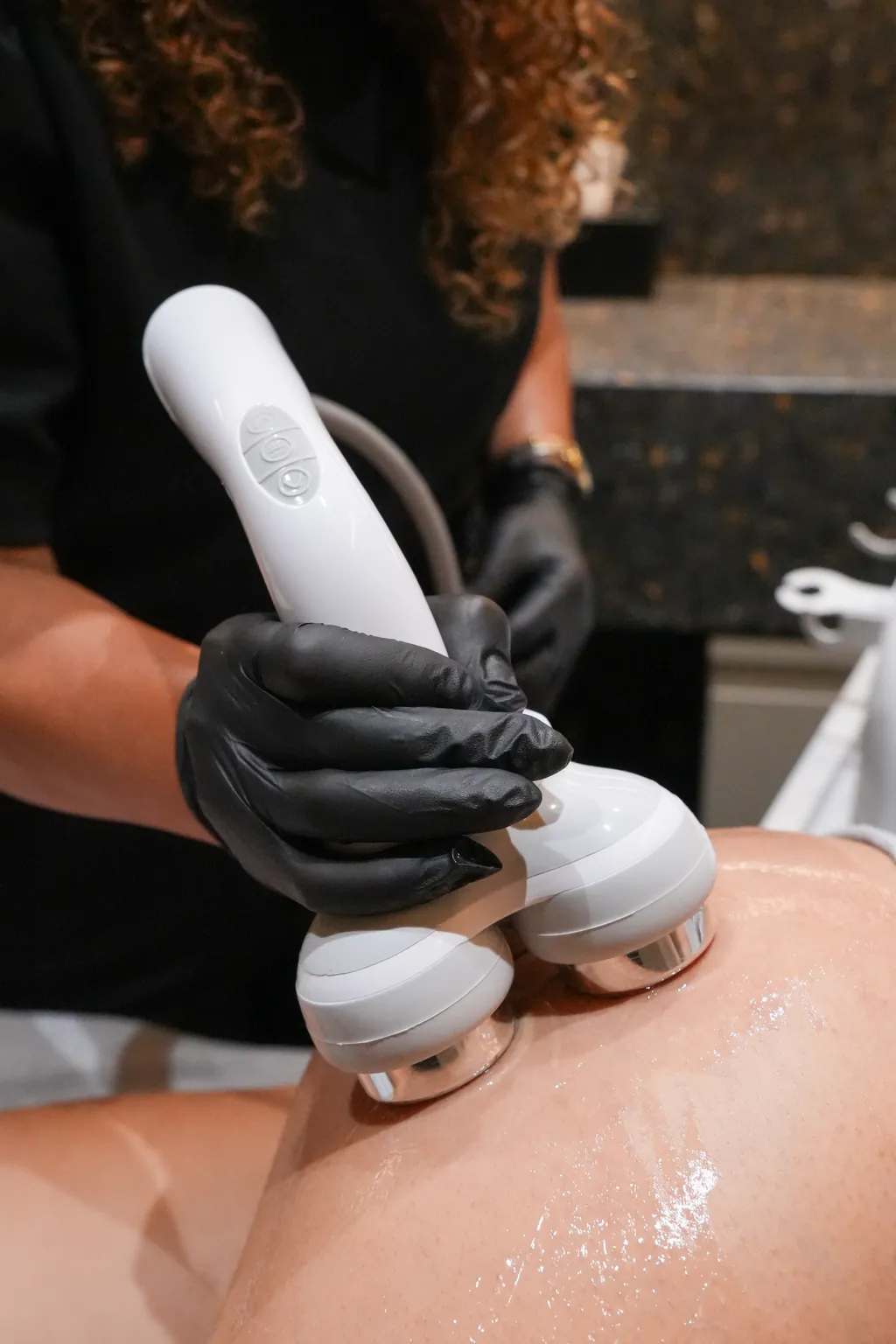
Lymphatic drainage
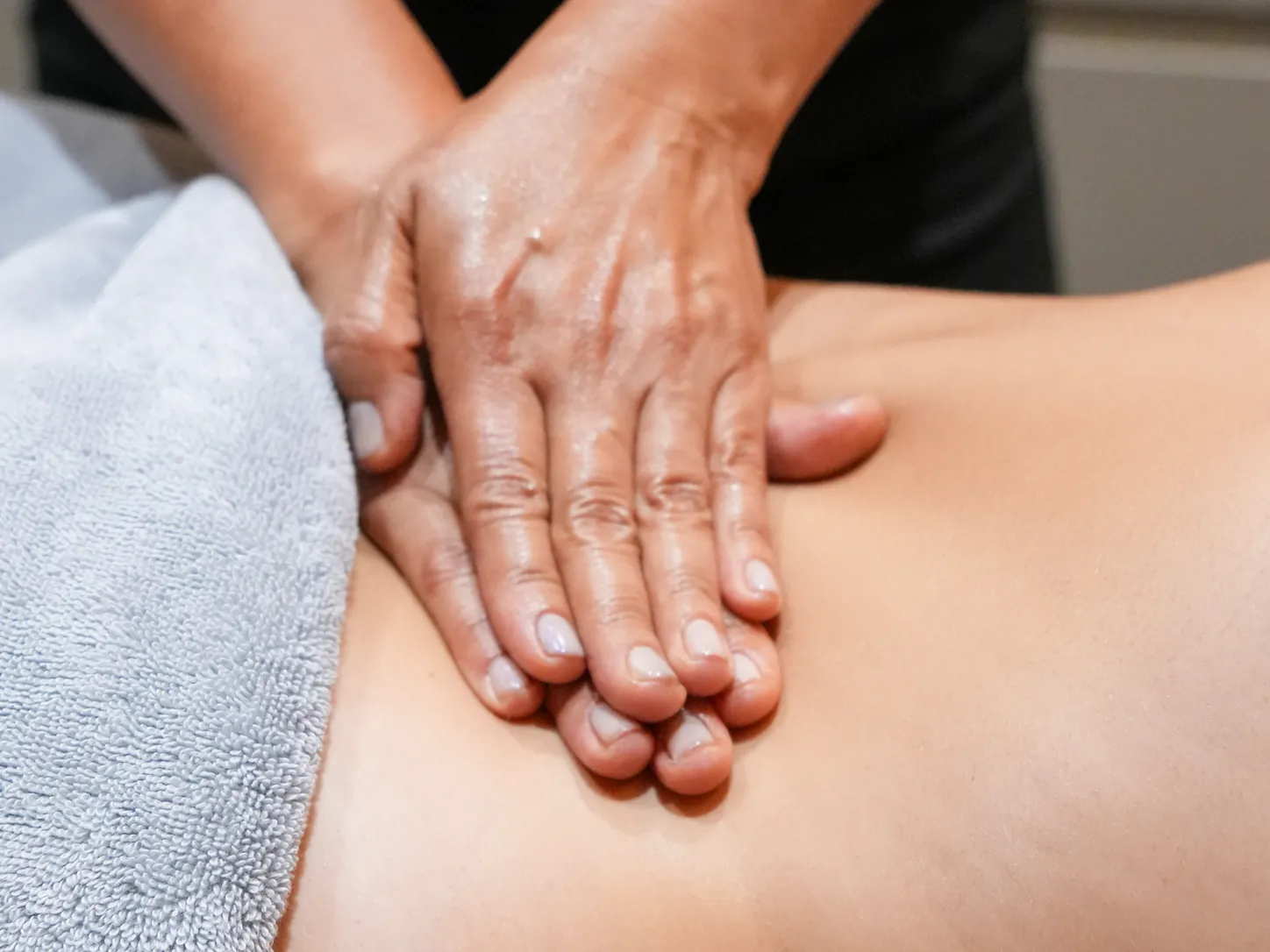
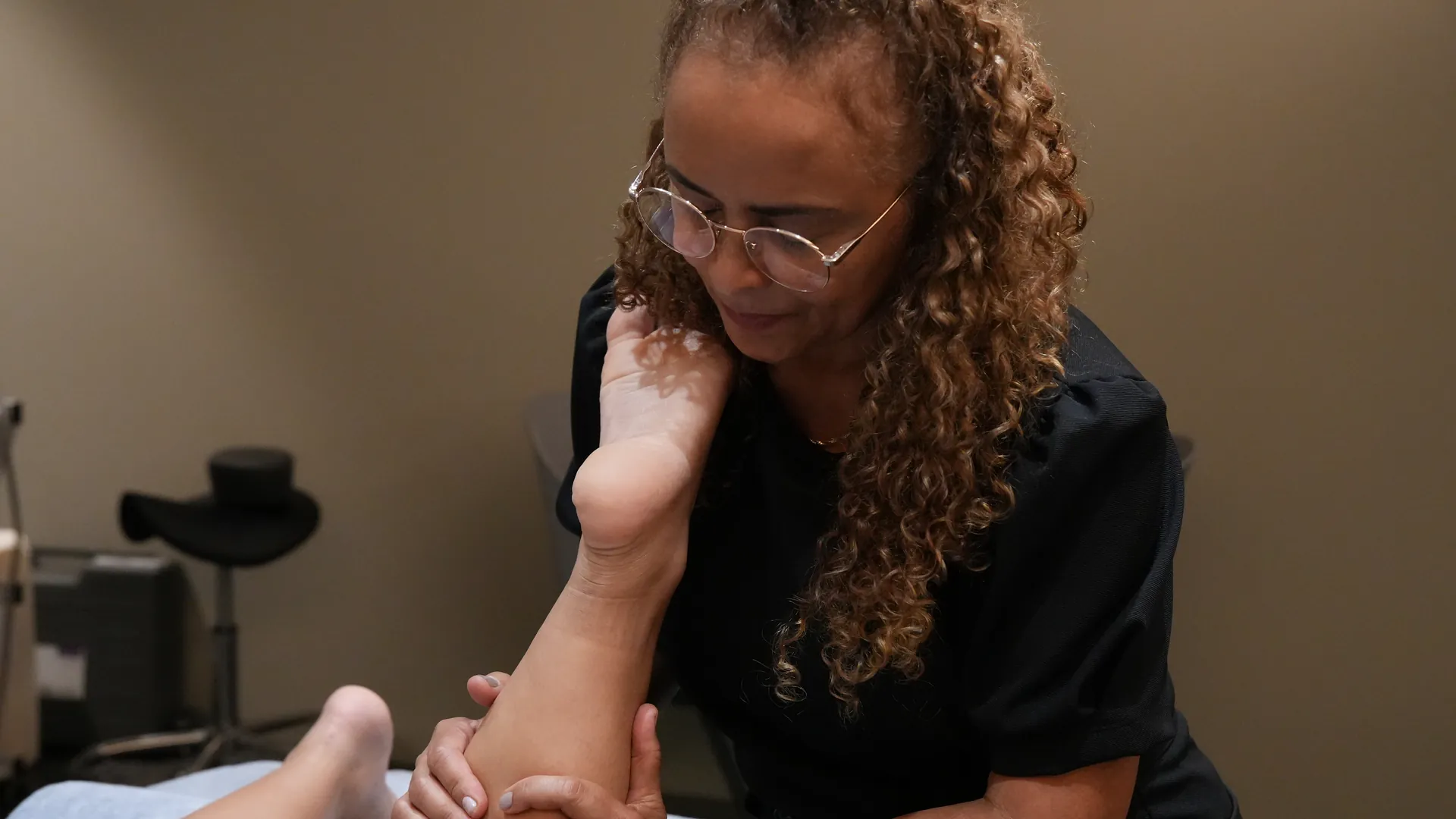
Can help improve circulation and fluid drainage, contributing to a feeling of lightness and wellbeing.
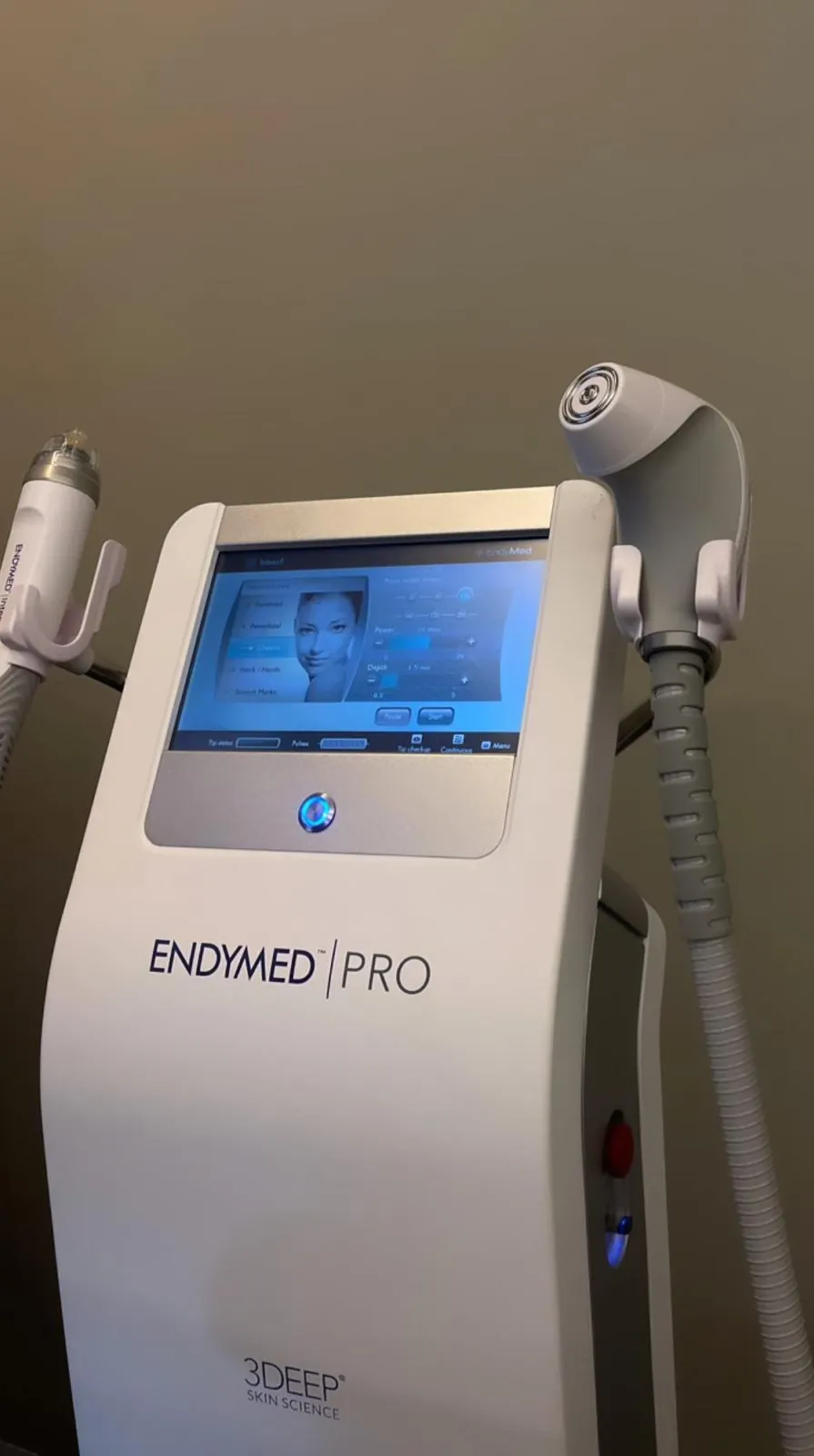
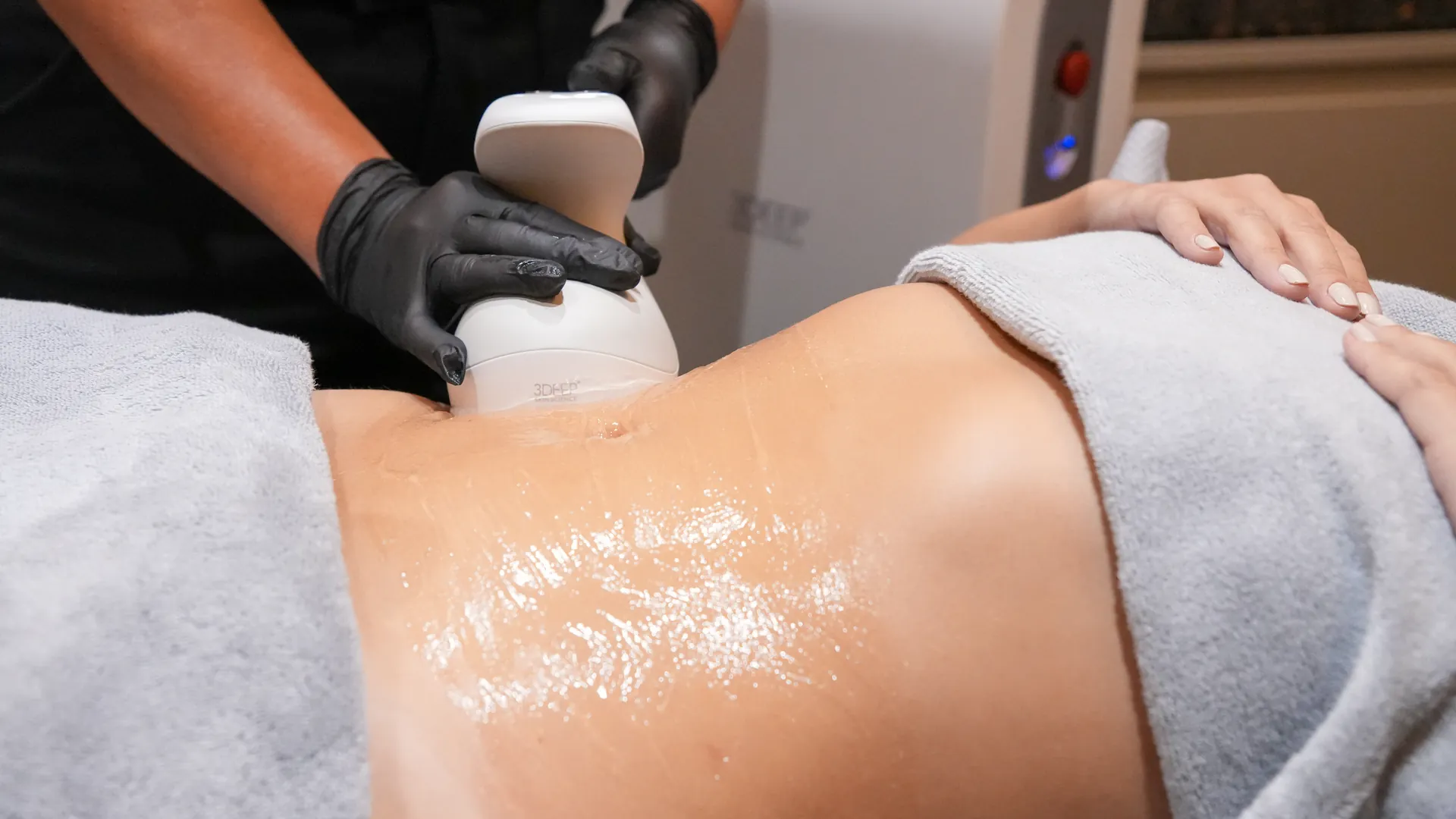
Radiofrequency
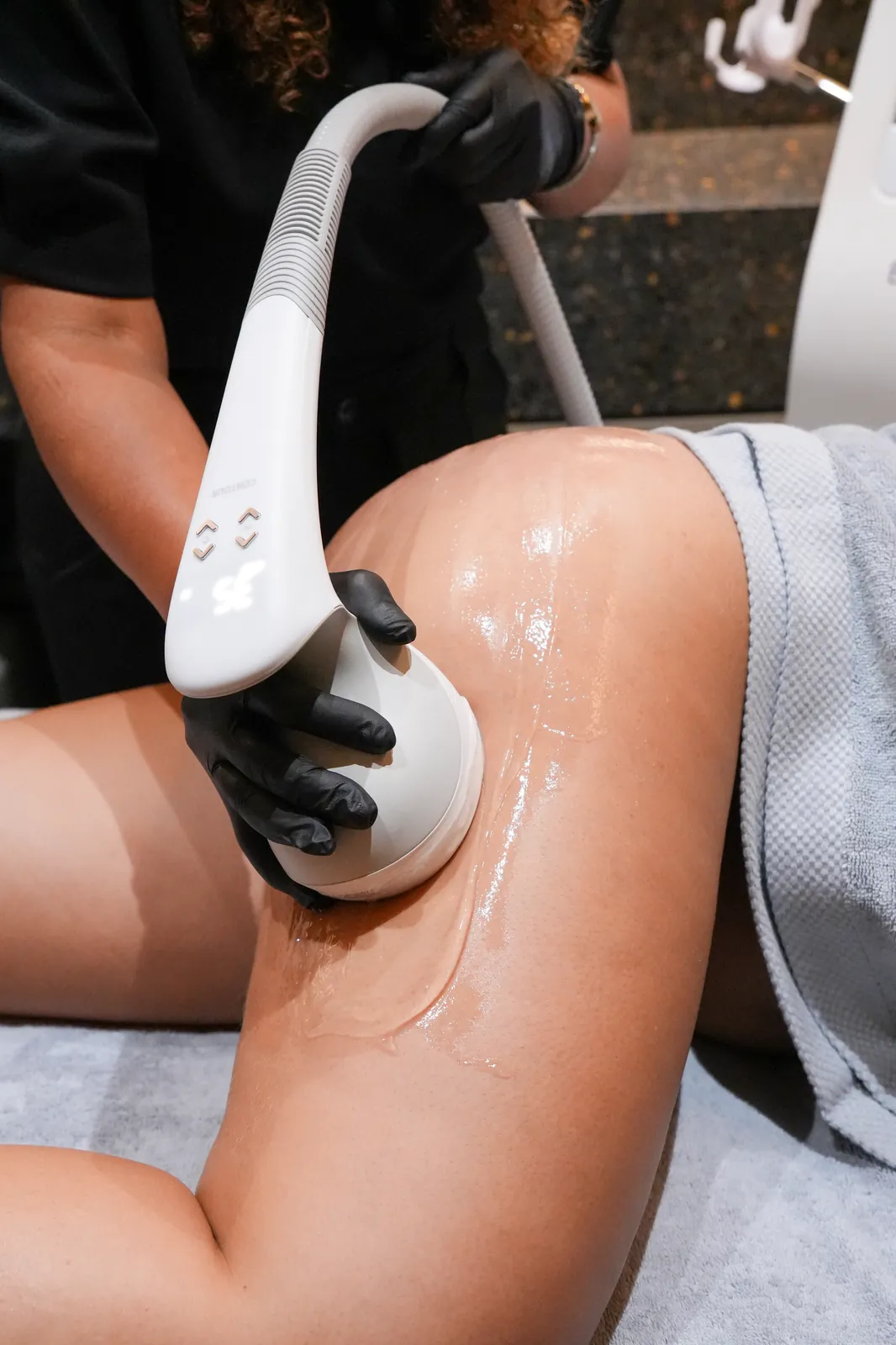
Thermal energy acts on the tissue and can help improve skin firmness and texture.
BENEFITS
Benefits of cellulite treatment
More evenness. More confidence.
Visually smoother skin
More even texture
Greater firmness
Reduced dimpled appearance
Improved skin quality
More harmonious silhouette
PRICE
How much does cellulite treatment cost in Lisbon?
A protocol designed for you.
The investment depends on the area treated, the degree of cellulite, the number of sessions and the recommended technique or combination of treatments.
Cellulite: technical information
What it is, grades, types, causes, treatment, contraindications and risks, and the difference between cosmetic cellulite and infectious cellulitis.
What is cellulite?
Cellulite, or gynoid lipodystrophy, is a change in the structure of the skin and the subcutaneous tissue. Fat cells grow in volume and push the skin upwards, while the connective tissue fibres that anchor it to the deeper layers pull it down. The result is the dimpled, "orange peel" look, mainly on the thighs, buttocks and hips.
It affects most women after puberty, whatever their weight, and is much less common in men.
Cosmetic cellulite or infectious cellulitis?
In Portuguese, the word celulite also refers to a bacterial skin infection (cellulitis), which has nothing to do with cosmetic cellulite.
Cosmetic cellulite: dimpled or uneven skin, with no pain or fever, that stays stable over months or years
Infectious cellulitis: a red, hot, swollen and painful area that spreads within hours or days, sometimes with fever and feeling unwell
Infectious cellulitis is a medical emergency, usually treated with antibiotics, not in aesthetic medicine: if you have these signs, see a doctor without delay
Grades of cellulite
The most widely used classification assesses the skin standing and lying down:
Grade 1: the skin looks smooth and dimples only appear when the skin is pinched or the muscle contracted
Grade 2: dimples are visible standing up but disappear when lying down
Grade 3: irregularities are visible standing and lying down, with marked relief
Some authors describe a grade 4, with palpable nodules and tenderness to the touch
Types of cellulite
Oedematous: linked to fluid retention and heavy legs
Flaccid: soft skin, common after weight changes or with age
Compact: skin that feels firm to the touch, with marked relief
Mixed: the most common, combines several types
Causes and what makes cellulite worse
Cellulite has a strong genetic and hormonal component. Oestrogens influence fat, circulation and connective tissue, which explains why it appears or becomes more visible at puberty and during pregnancy. Age, weight changes, a sedentary lifestyle, smoking and a diet high in salt and sugar also contribute.
How is cellulite treated?
No single treatment works on every factor. That is why the most effective approach is usually a combined protocol, tailored to the type and grade. At the clinic, the plan generally runs over 3 months, and the first results appear, on average, from 30 days:
Radiofrequency and other body technologies, to stimulate collagen and improve texture
Injectable techniques, such as collagen biostimulators, when indicated
Lymphatic drainage, especially for oedematous cellulite
Nutritional follow-up and lifestyle habits, to maintain the result
Contraindications
Pregnancy and breastfeeding
Active infection, wound or inflammation in the area, including suspected infectious cellulitis
Venous thrombosis or serious circulation problems, until medically assessed
Pacemaker or metal implants in the area, for energy-based technologies
Allergy to the injectables, autoimmune conditions or anticoagulants, reviewed at the consultation
Side effects and possible complications
The most common effects are temporary: redness, tenderness, swelling and small bruises, especially with injectable techniques.
More rarely, nodules under the skin after injectables, pigmentation changes, burns with heat-based technologies or infection at the injection site may occur. Severe pain, heat or redness that increases over the following days must be reported to the clinic immediately.
How to prepare and recover
Preparation
Tell the team about any medicines, health conditions, recent surgery, and if you are pregnant or breastfeeding.
Avoid alcohol in the 24 hours before treatment, to reduce the risk of bruising.
On the day, come with clean skin, without creams or oils on the area to be treated.
Wear comfortable, loose clothing to make the treatment and the journey home easier.
Recovery
Tenderness, redness or small bruises may appear, and usually fade within a few days.
How long to avoid the sun and exercise depends on the technique, and the team will tell you.
Follow the advice from the nutritional support included in your treatment plan.
Keep to the interval between sessions set in your plan, so progress can be followed.
Contact the clinic if you have severe pain, heat or swelling that gets worse in the treated area.
FAQ
Get your questions answered.
Treatments can significantly improve its appearance, but don't guarantee complete elimination. Results depend on the degree of cellulite and individual characteristics.
No. Cellulite can appear on different body types and is related to factors such as genetics, hormones, age and tissue structure.
Most protocols recommend several sessions, often between 3 and 6, depending on the degree of cellulite and the technique used.
Results develop progressively over the weeks and can improve as the protocol advances.
There's no guarantee of permanence. Maintaining results depends on individual factors and can benefit from maintenance sessions and healthy lifestyle habits.
Yes. Depending on the assessment, different techniques can be combined to address the various factors associated with cellulite's appearance.
The sensation depends on the technique and varies from person to person. Technologies are usually well tolerated and, for injectable techniques, anaesthesia may be used for comfort. You may feel some tenderness in the following days.
In general, yes. Many people go back to work and their routine the same day or the next day. Tenderness or small bruises may appear. How long to avoid exercise and the sun depends on the technique, and the team will tell you.
Creams can improve hydration and how the skin looks on the surface, but they do not treat the causes of cellulite. In general, in-clinic treatments combined with healthy habits have a more visible effect.
A protocol usually runs over a few weeks with regular sessions, followed by maintenance. The length depends on the degree of cellulite and the techniques chosen at the assessment.
There is no single treatment that works for everyone. In general, the best results come from combining technologies, injectable techniques when indicated and lifestyle habits, chosen according to the type and grade of cellulite at the assessment.
No. Cellulite results from changes in the structure of the skin and fat, which change slowly. In a week you may notice less swelling, but the improvement in texture develops over several weeks, with a regular protocol.
The cost of cellulite treatment depends on the plan defined at the assessment consultation: techniques, areas and each person's needs. After the assessment, you receive a personalised quote.
Improve your skin's texture.
Book your assessment and discover the most suitable protocol to treat cellulite and improve your skin's quality.