

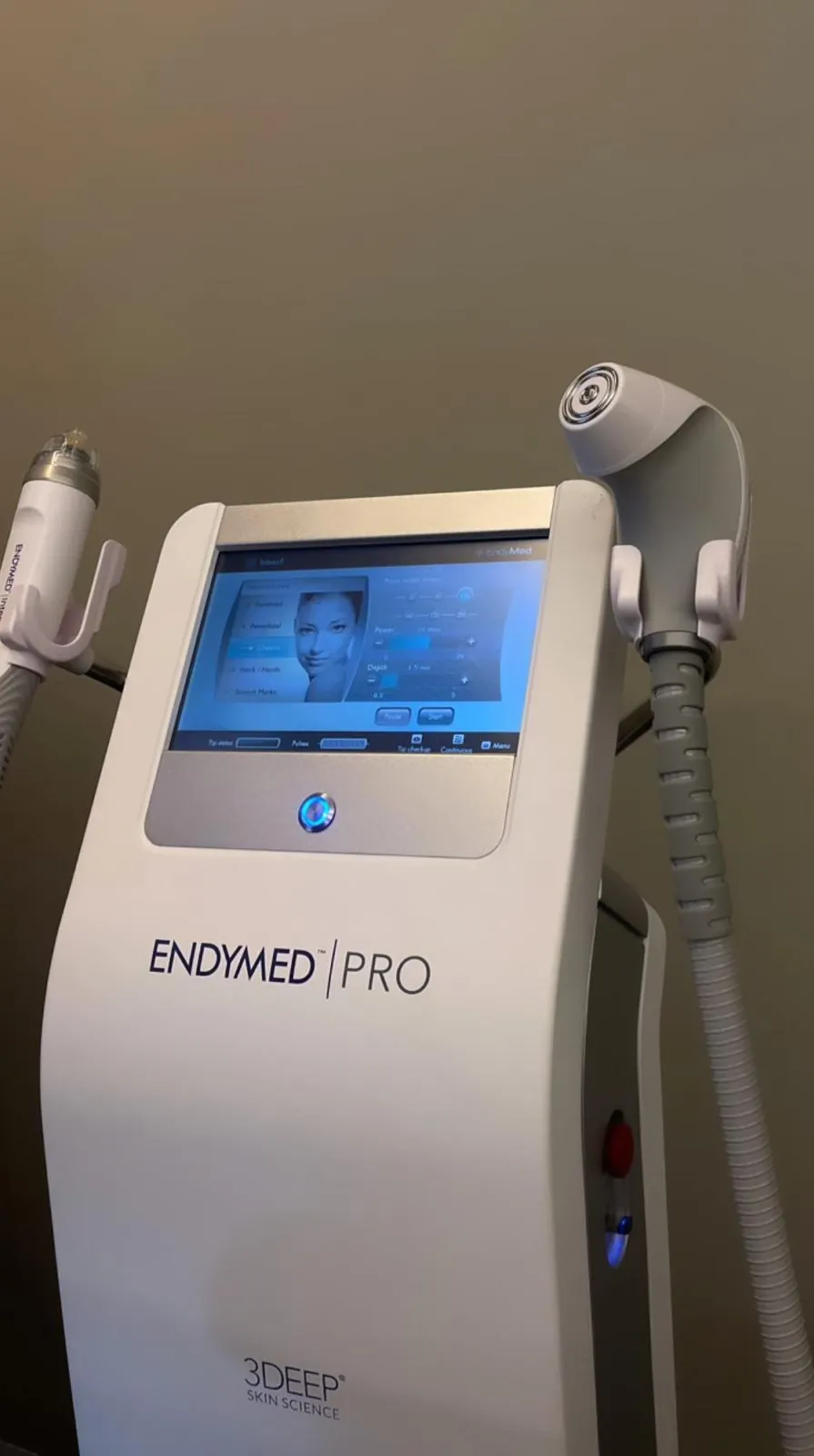
Products & Technologies
Science in the Service of Your Beauty

Melasma
A dedicated protocol for melasma pigmentation, for a more even skin tone.
Your best version, always.
Natural results
Safe procedure
Personalised approach
Confidentiality
The treatmentWHAT IS IT
This treatment combines science, technique and personalised care to meet your goals, always with a natural, balanced result.
Learn more
Caring for yourself is respecting your essence.
KEY INFORMATION
Key information about the procedure, recovery and results, so you can make an informed decision with peace of mind.
Possible bruising
No
Results appear
3 to 6 months
WHO IS IT FOR
This treatment may be suitable for people who want to:

The procedure

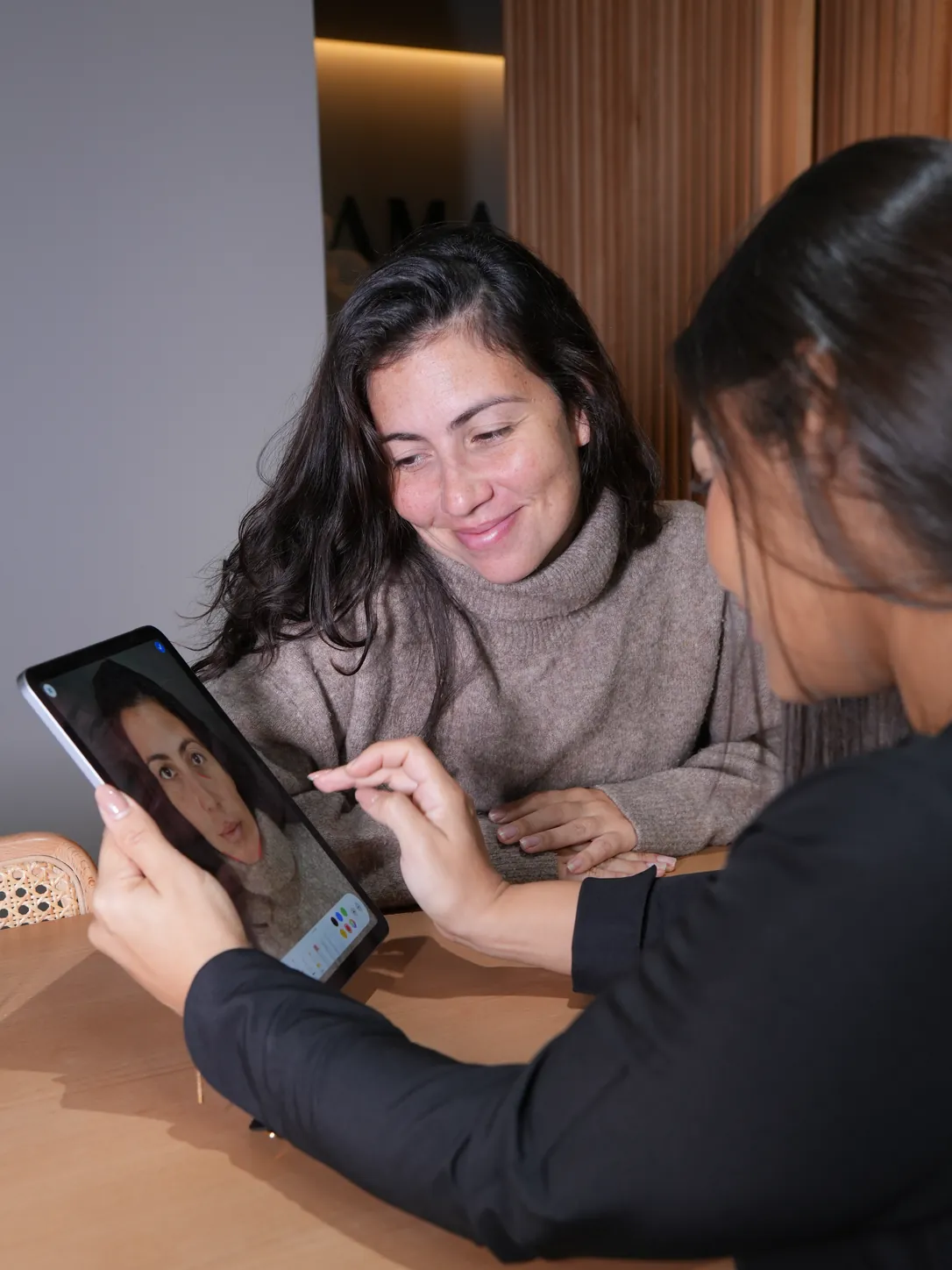
Skin assessment
Identifying the affected areas, the patient's history, skin tone and skin quality.
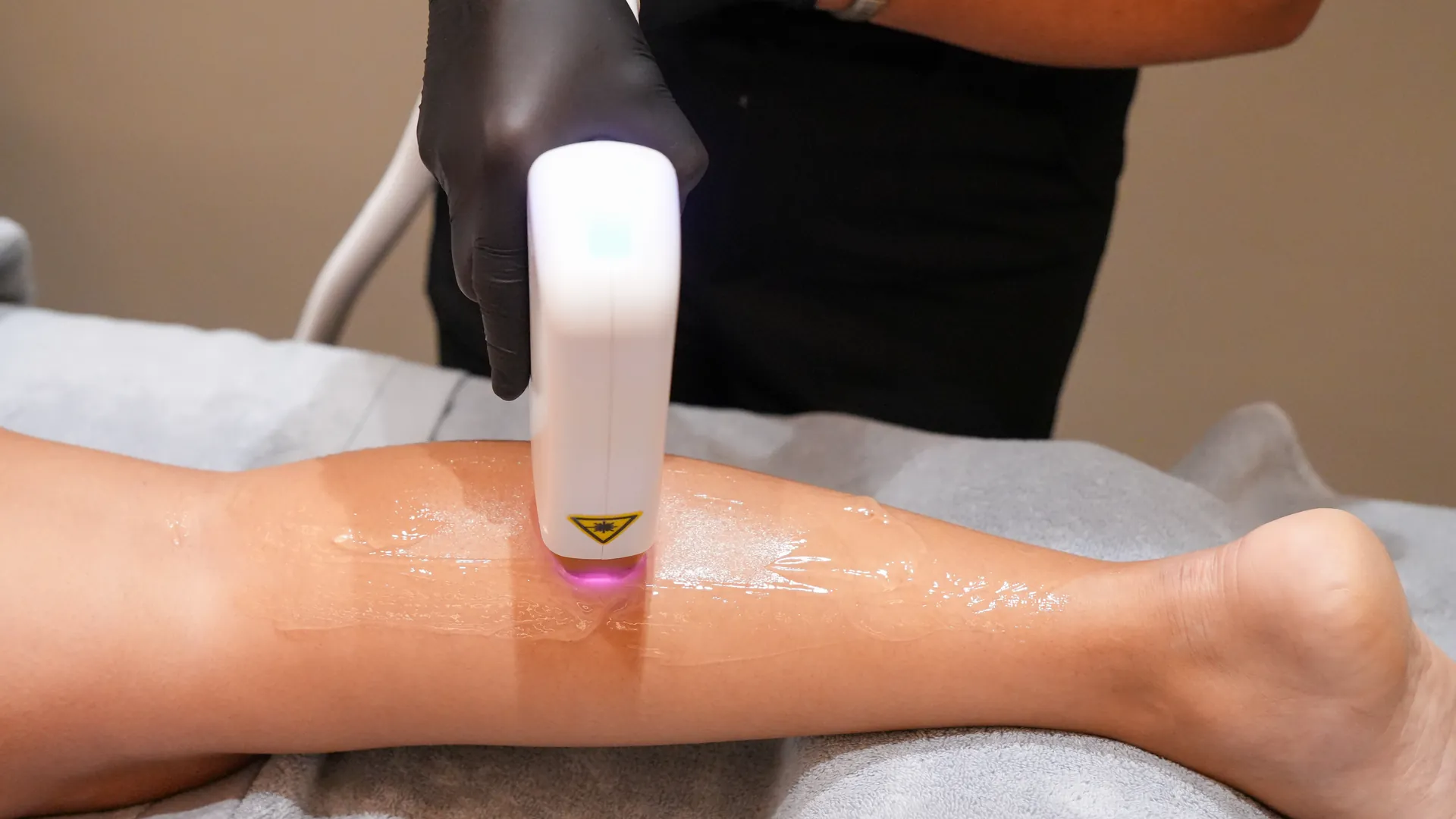
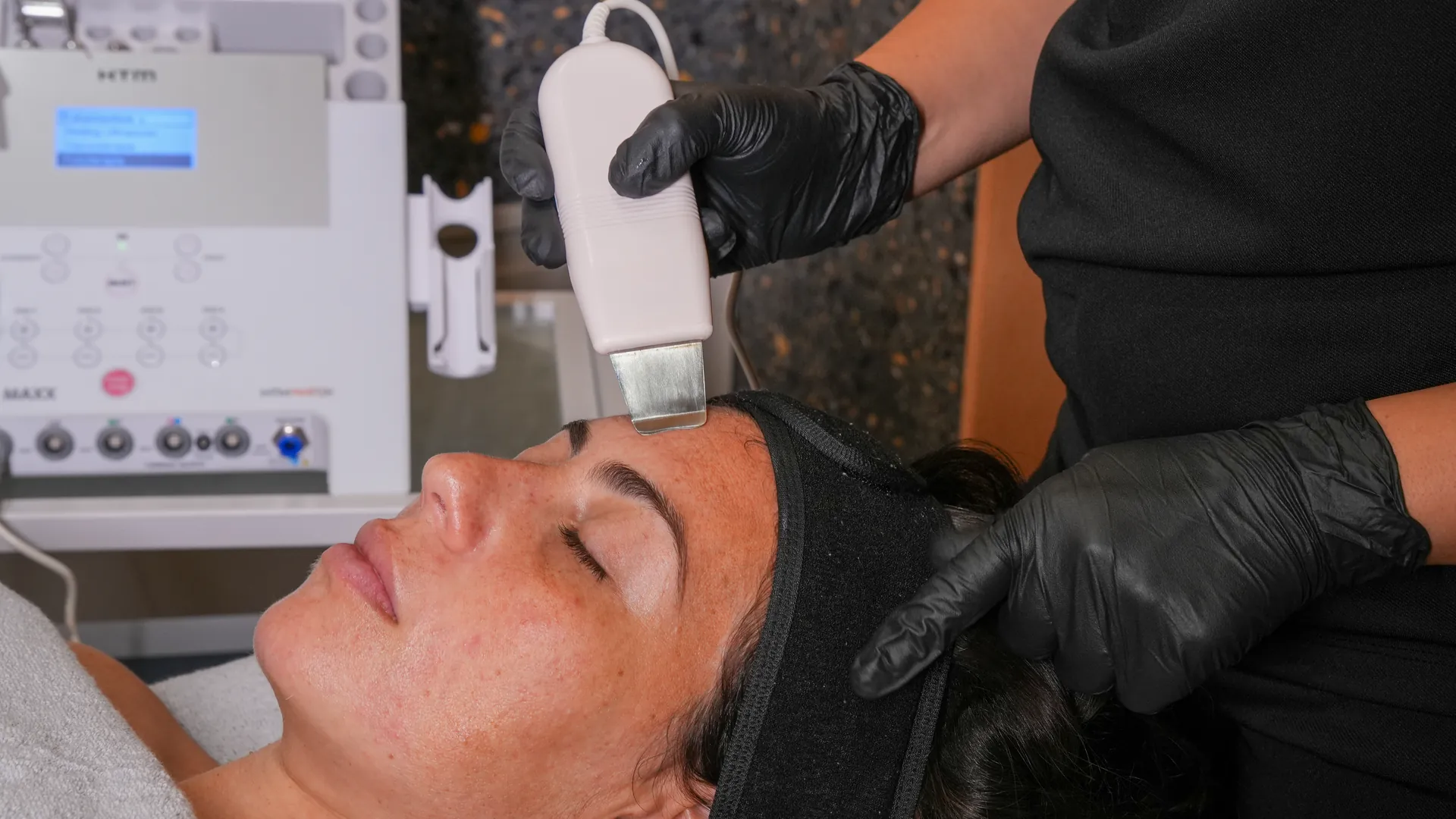
The procedure
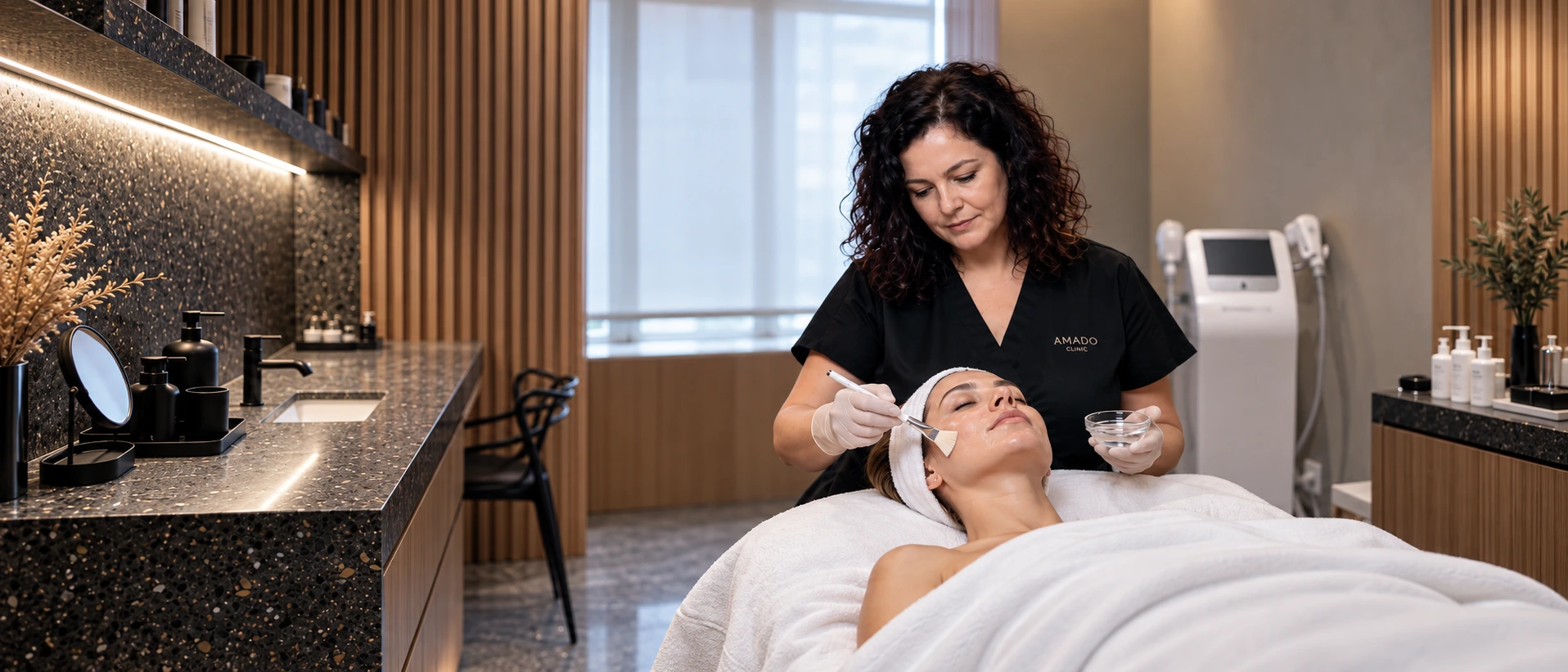
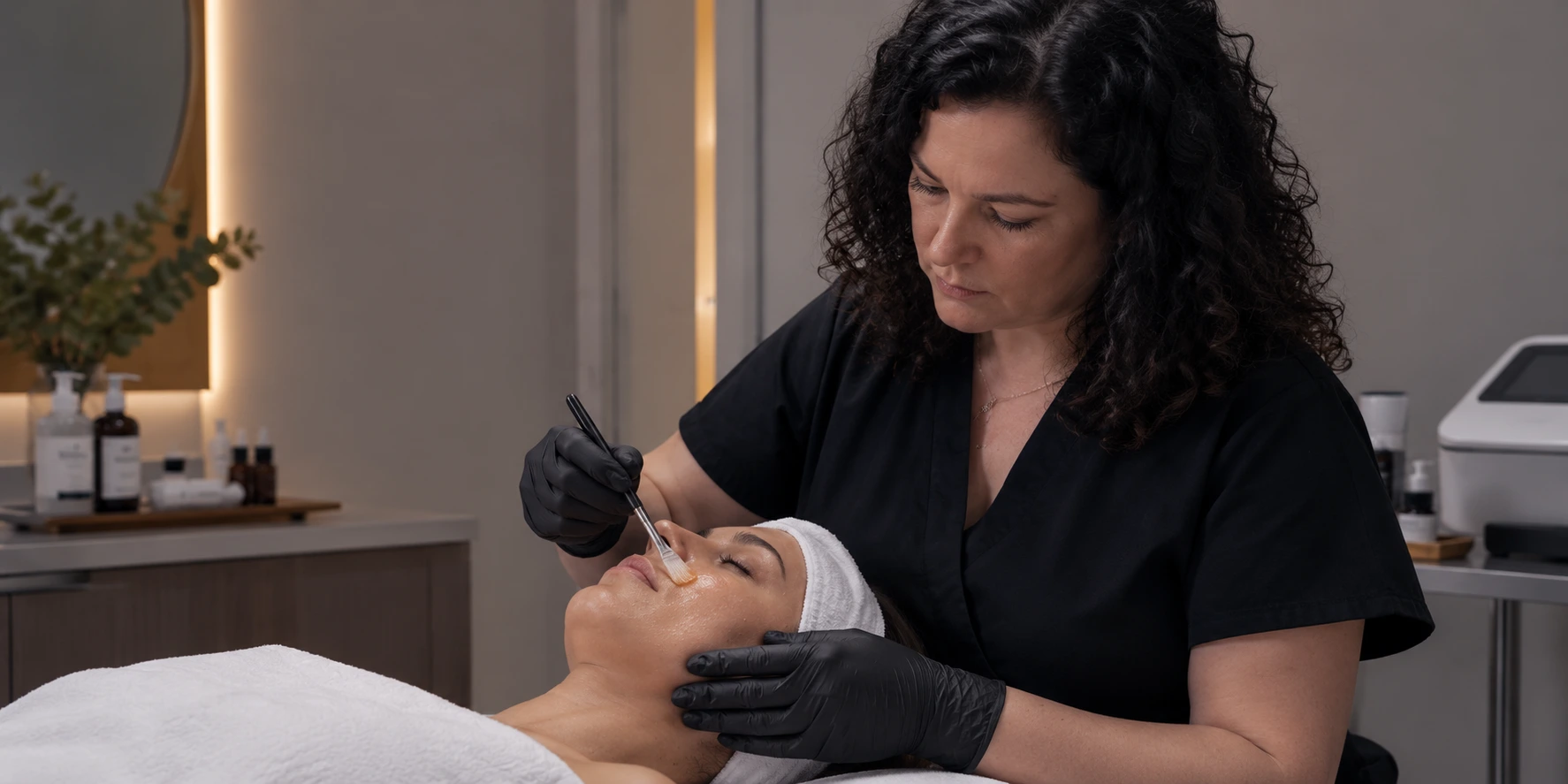
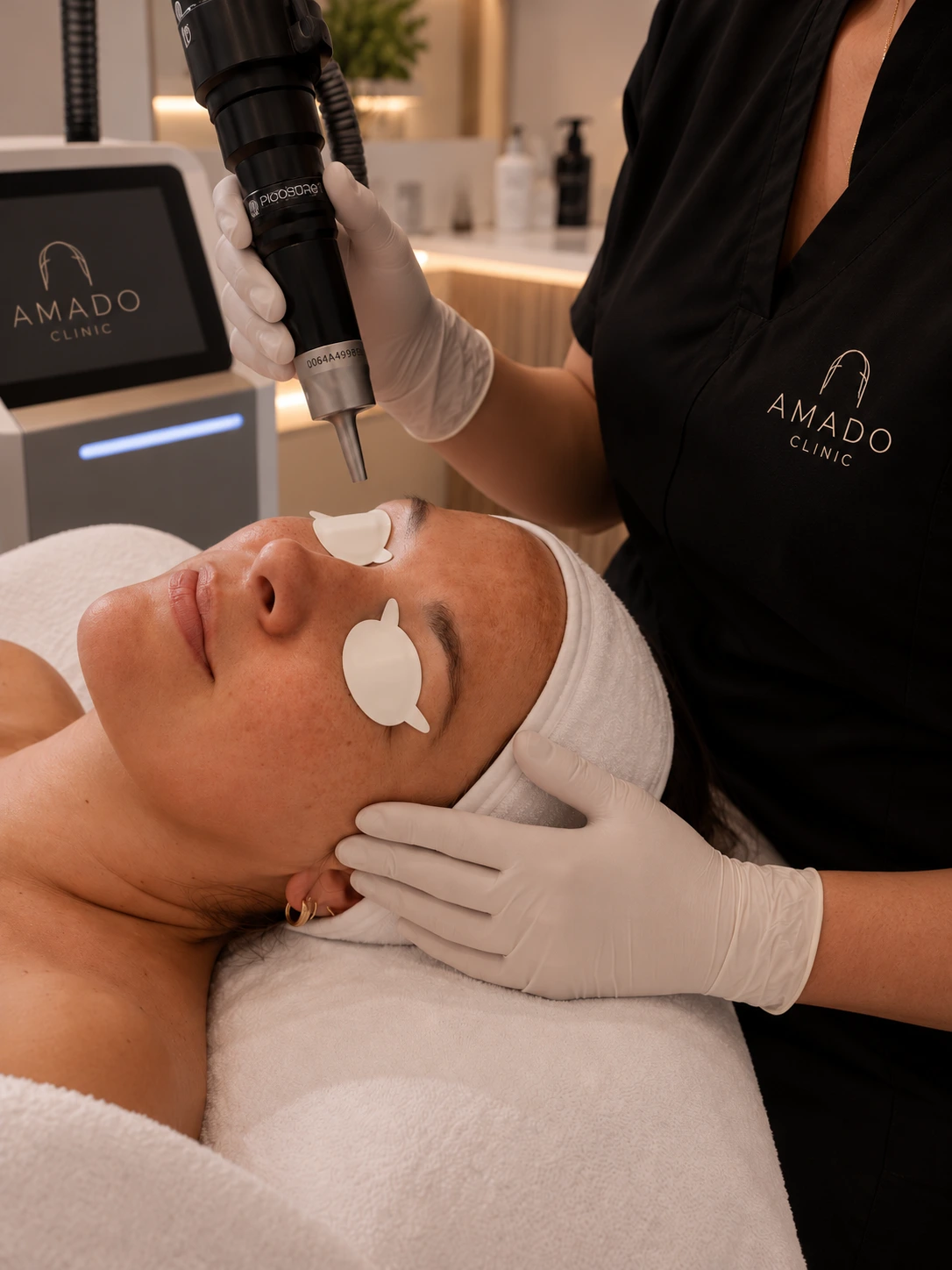
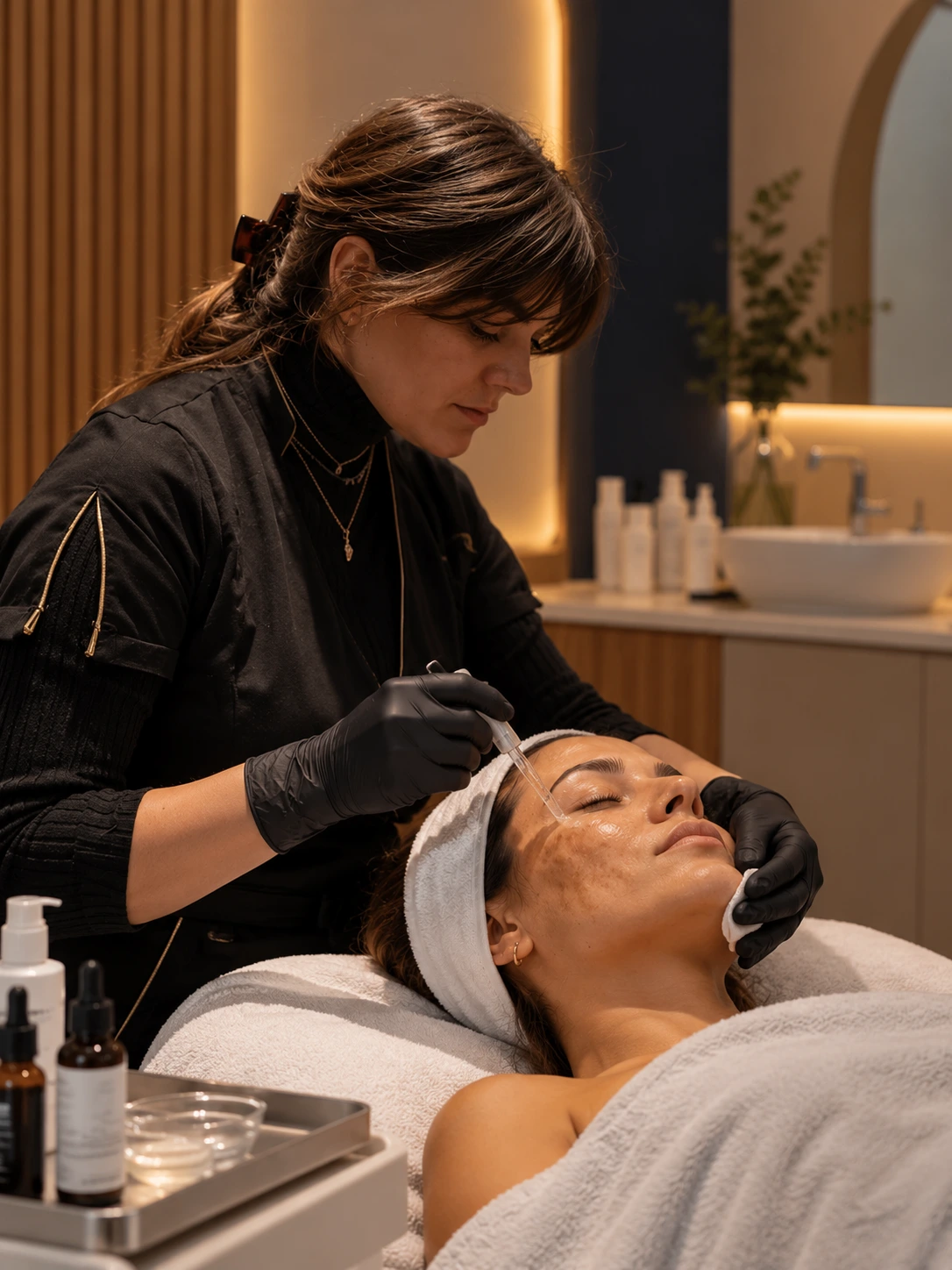
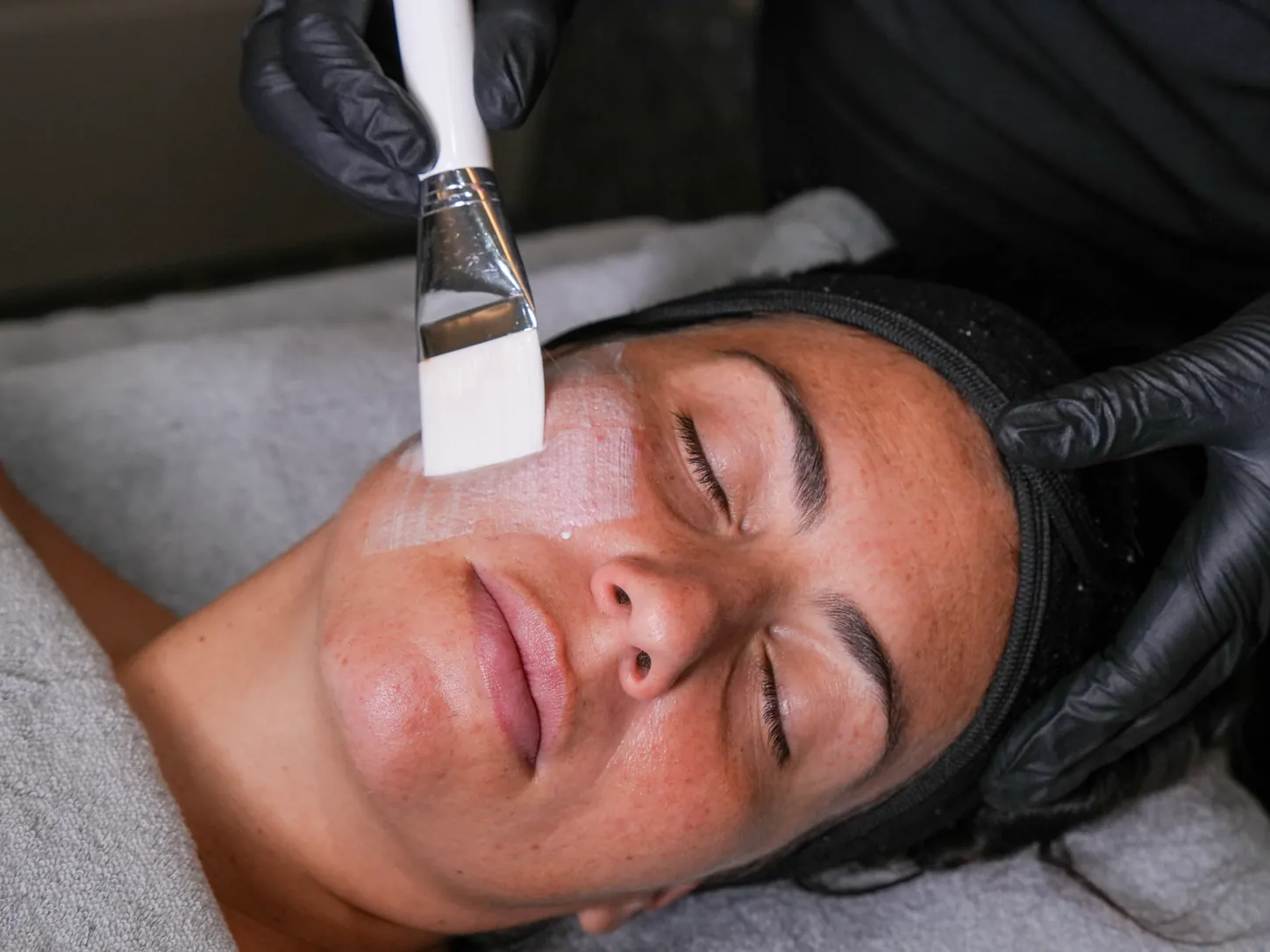
The first step of the treatment is done at the clinic and the patient continues at home. A safe, quick and minimally invasive procedure.
Follow-up
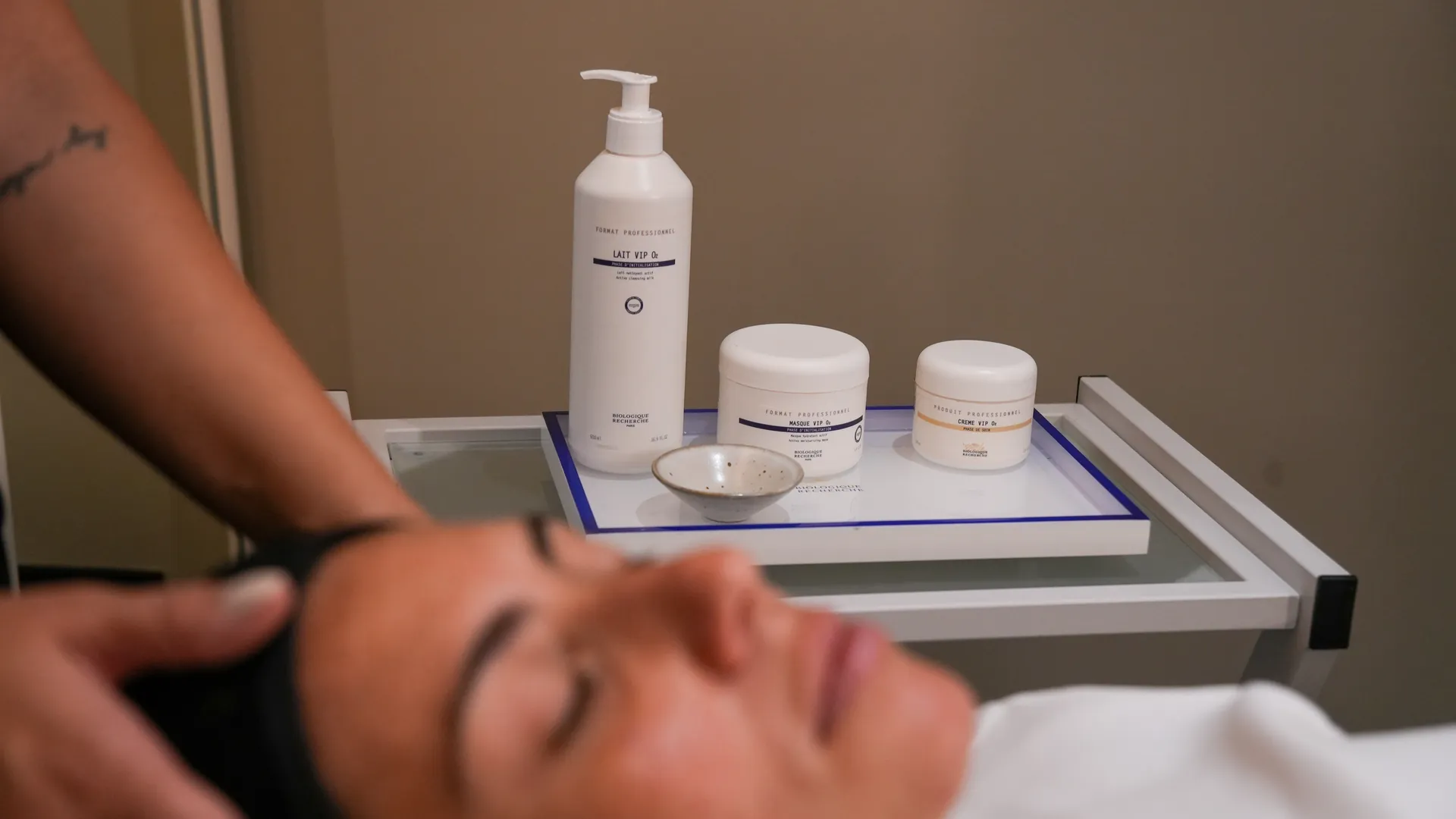
After the treatment, the patient leaves the clinic with a 3-month home-care kit.
Aftercare
A follow-up visit after 30 days.
FAQ
Melasma results from several factors: exposure to sun and light, hormonal changes (pregnancy, the pill), genetic predisposition and heat. These factors stimulate pigment production, mainly on the face.
Yes. Melasma is a chronic condition and can come back, especially with sun, heat or hormonal changes. Treatment can help fade the patches, and daily sun protection and maintenance care help reduce relapses.
Sunlight is one of the main factors that trigger and worsen melasma. Without daily sunscreen, reapplied during the day, the patches can darken and the result of the treatment may be compromised.
Melasma often appears during pregnancy. During pregnancy and breastfeeding, some active ingredients and procedures are not suitable, so treatment is generally postponed or adapted. The best option is decided at the assessment.
It varies from person to person. The protocol starts with a procedure at the clinic, followed by home care and an appointment after 30 days. Results generally appear between 3 and 6 months, and the plan is set at the assessment.
It includes a skin assessment, the procedure at the clinic, a 3-month home-care kit and a follow-up appointment after 30 days. The protocol is adapted to the type of patches, your history and the quality of your skin.
Melasma is a benign pigmentation disorder, with symmetrical brownish patches on the face. Melanoma is a skin cancer. Any mole that changes shape, colour or size should be checked by a doctor.
Some lightening creams can help, but they should be recommended by a professional and used with daily sun protection. The best results often come from combining home care with in-clinic treatments.

Book your assessment and discover how to enhance your beauty safely and naturally.