
Products & Technologies
Science in the Service of Your Beauty

What is a Peel?
Renew, even out and brighten your skin through a chemical exfoliation personalized to your needs.
Your best version, always.
Natural results
Safe procedure
Personalised approach
Confidentiality
The treatmentWHAT IS IT
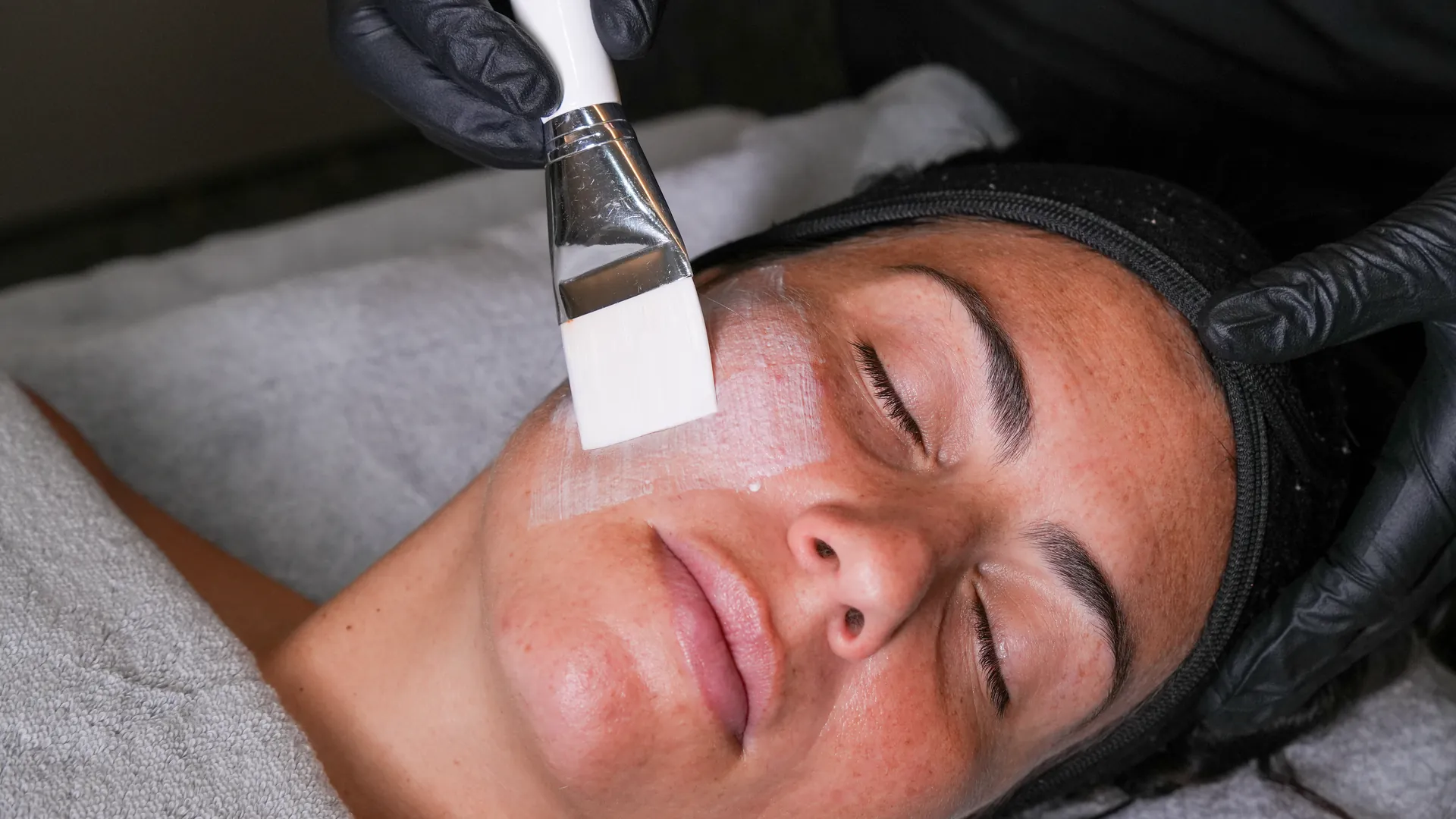
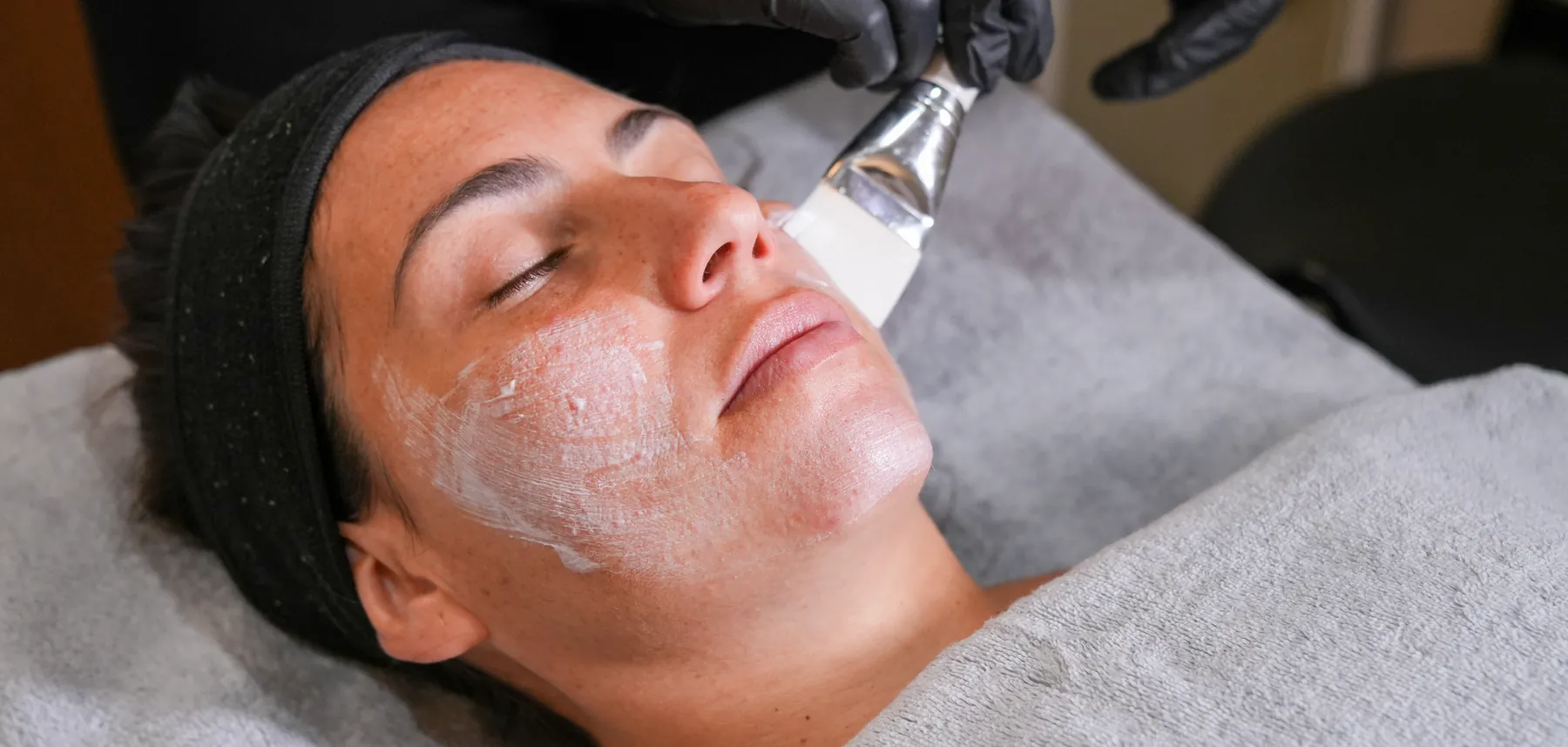
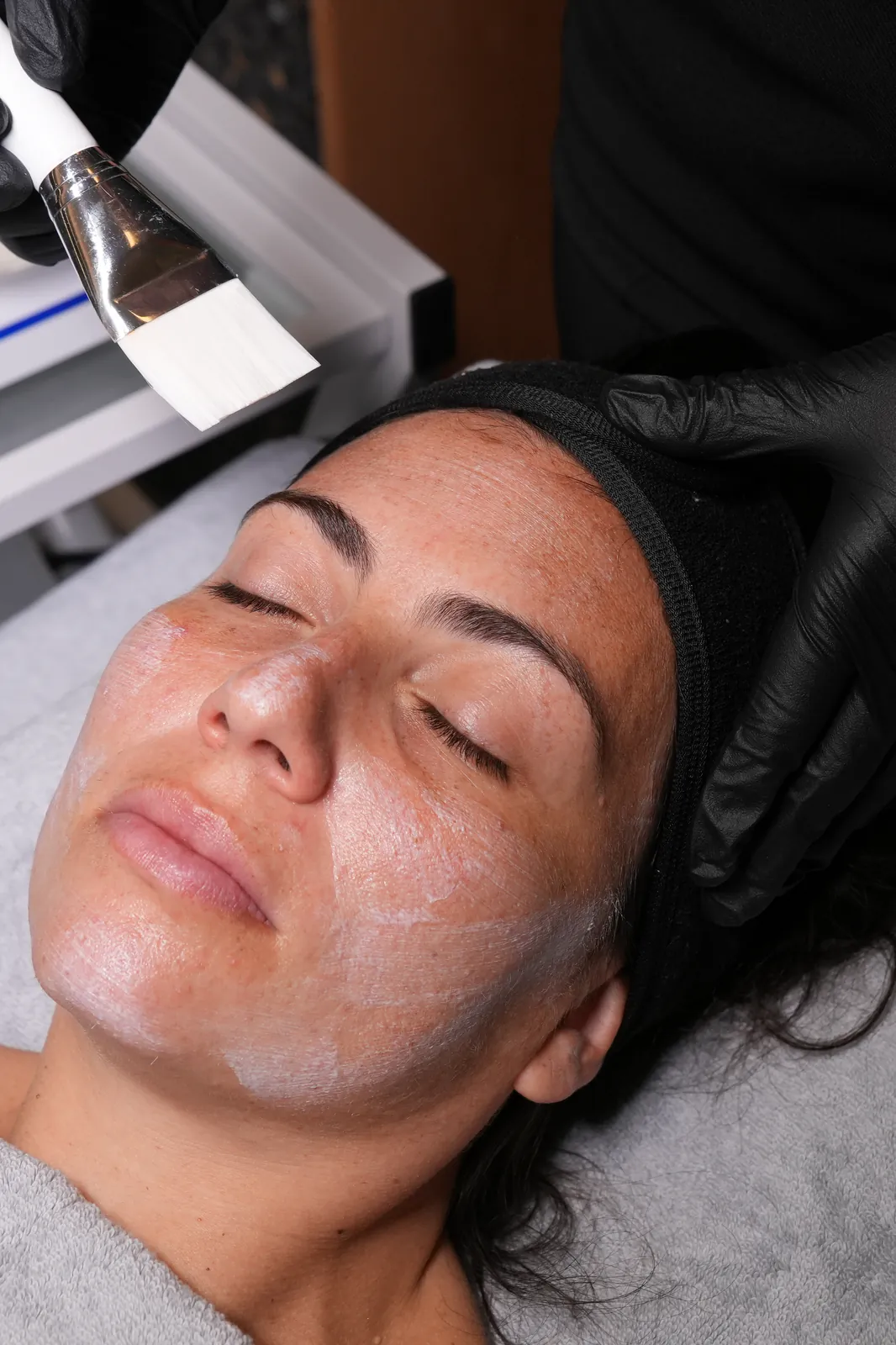
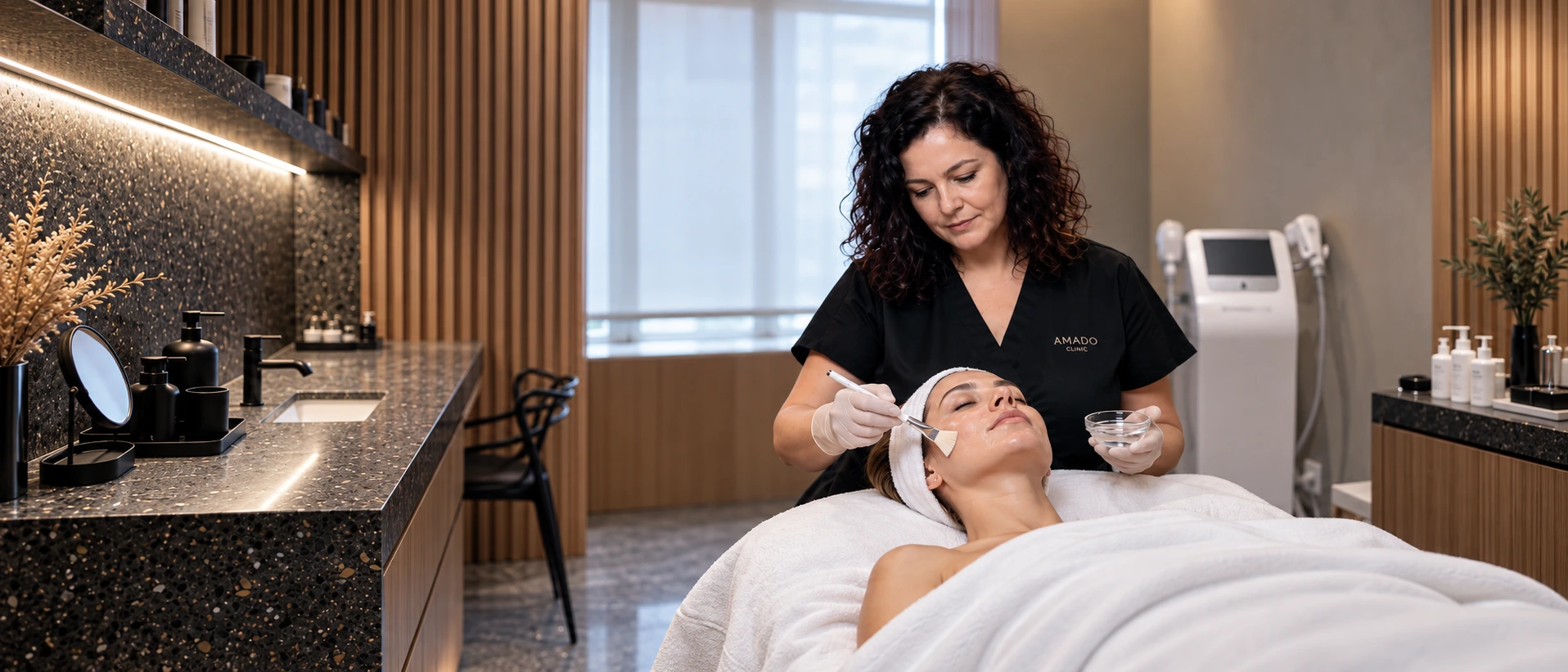
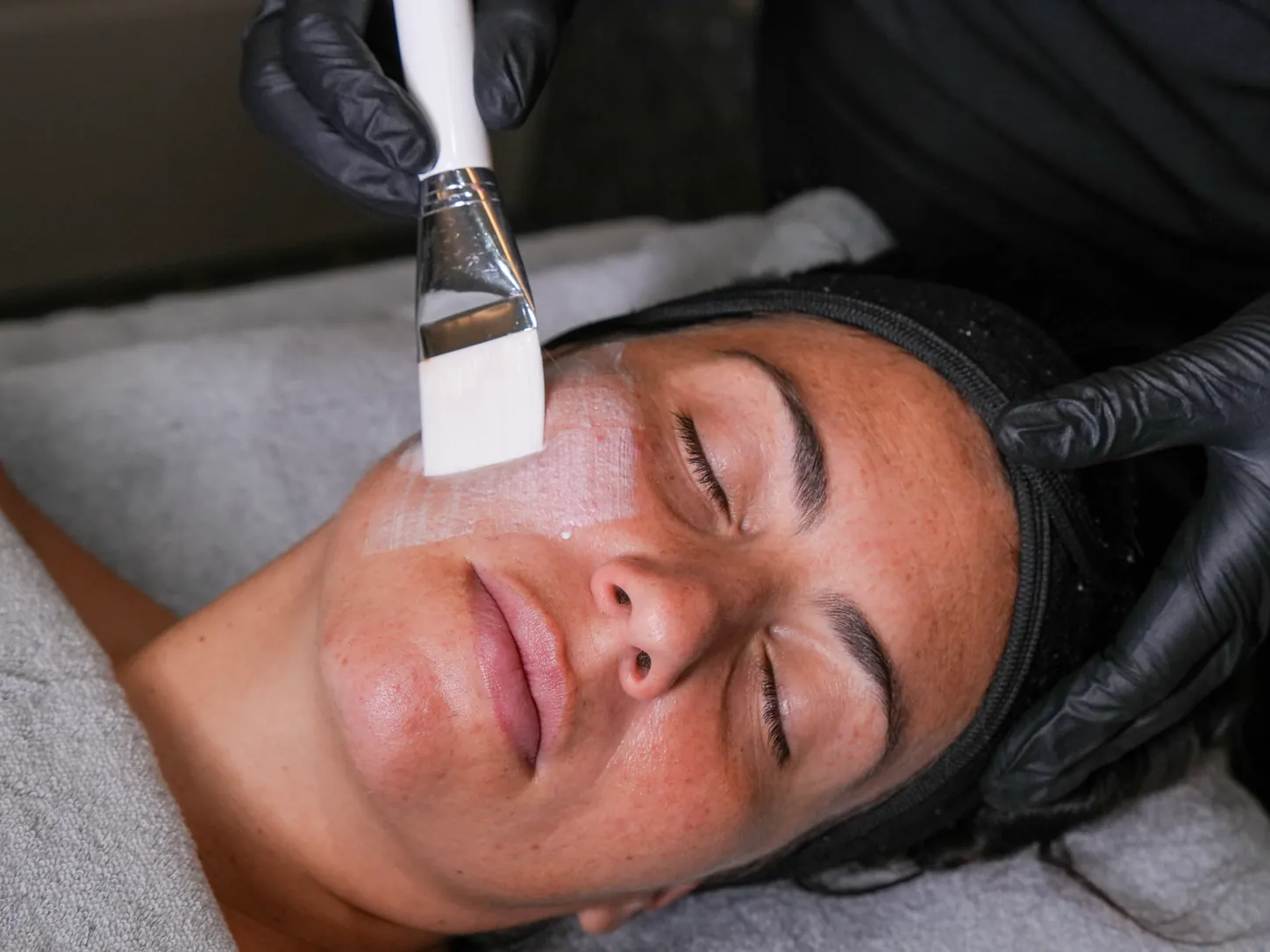
A Peel is a treatment that uses specific chemical substances to promote controlled renewal of the skin's surface layers. It can improve skin texture, luminosity and evenness, and act on some pigmentation changes and signs of aging.
A Peel involves the controlled application of one or more chemical agents to the skin, selected according to its condition and the desired result. Treatment intensity can range from superficial peels with minimal downtime to more intensive protocols, always according to professional assessment.
Learn more
Caring for yourself is respecting your essence.
KEY INFORMATION
Key information about the procedure, recovery and results, so you can make an informed decision with peace of mind.
Procedure duration
1 h
Possible bruising
No
Results appear
Immediate
WHO IS IT FOR
A Peel may be suitable for people looking to improve:
The choice of peel depends on skin type, indication and desired result.

The procedure
A 5-step protocol for your skin.

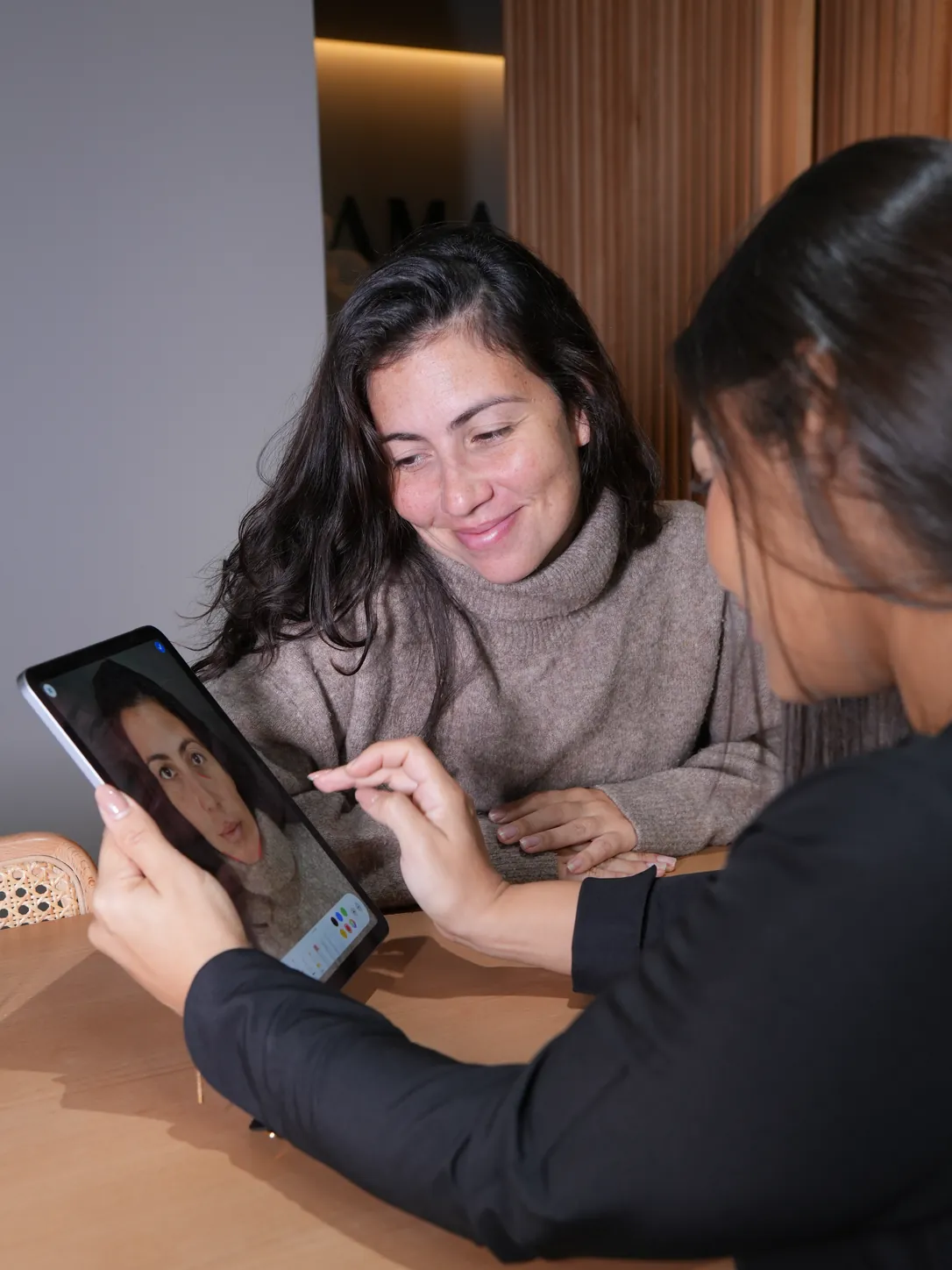
Skin assessment
Identifying the skin type, its quality and the patient's main concerns.
Defining the protocol
Choosing the best product for the client's skin type and current needs.
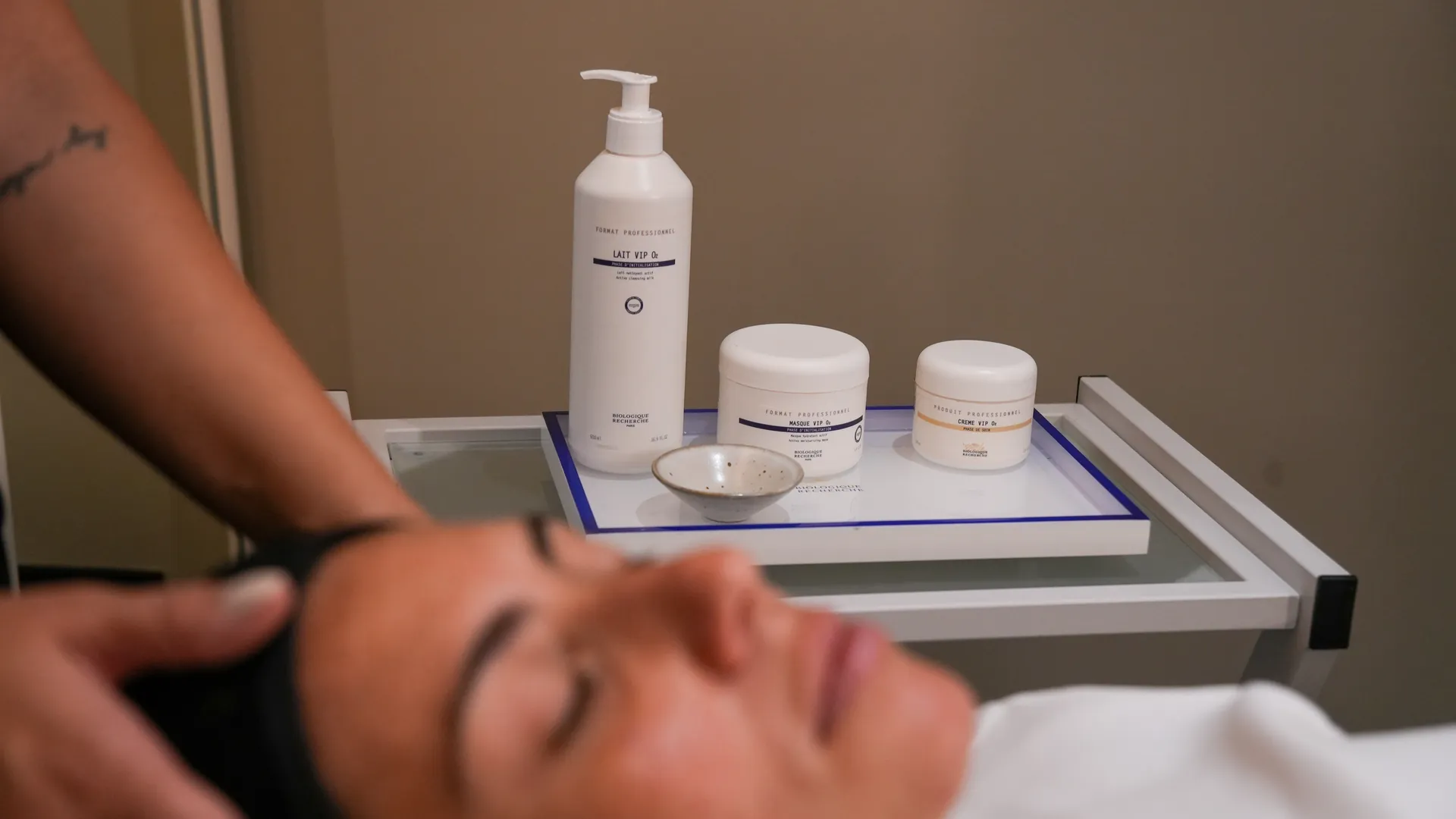
The treatment
Applying the protocol best suited to the patient.
Aftercare and skincare
We advise on home care, especially sun protection and cosmetics suited to the patient.
BENEFITS
Renewed skin.
Skin renewal
Greater luminosity
Improved texture
More even skin
Softening of certain spots
Reduction of certain superficial marks
Improved pore appearance
Stimulated cell renewal
FAQ
It can. Flaking depends on the type and depth of the peel and can range from very light to more noticeable flaking over a few days.
Most peels cause only a temporary sensation of warmth, tingling or mild stinging. Intensity depends on the product used.
It depends on the type of peel, sun exposure and skin characteristics. Sun protection is essential and some protocols may be less suitable during periods of higher sun exposure.
It depends on the goal and type of peel. Many protocols involve series of 3–6 sessions, with intervals defined by the professional.
It may be possible, but the protocol should be carefully selected and adapted to skin sensitivity.
Direct sun exposure should be avoided and suitable sun protection used during recovery, as the skin may become more sensitive to UV radiation.
With most superficial peels, yes. Your skin may look red or flake slightly for a few days, which generally does not stop you from working. For more intensive protocols, the team will tell you the expected recovery time.
In general, it is not suitable during pregnancy and breastfeeding, with wounds, infections or active cold sores on the area, a flare of atopic dermatitis or after recent sun exposure. These situations are assessed before treatment.
It depends on the depth of the peel: with superficial peels, flaking may be mild or not visible at all; with others, it lasts a few days. Do not pick the skin and keep up moisturizer and sunscreen.
Some peels can help fade pigmentation such as melasma, as part of a plan that includes strict sun protection and home care. Because melasma tends to come back, follow-up matters.
The price depends on the type of peel and the number of sessions defined at the skin assessment. After the assessment, you receive a personalised quote.

Discover which Peel is best suited to your skin's condition and needs.